Be Changed by the Light
With it being Transfiguration Sunday, I wanted to give you sort of an overview of where we are and where we’re headed.
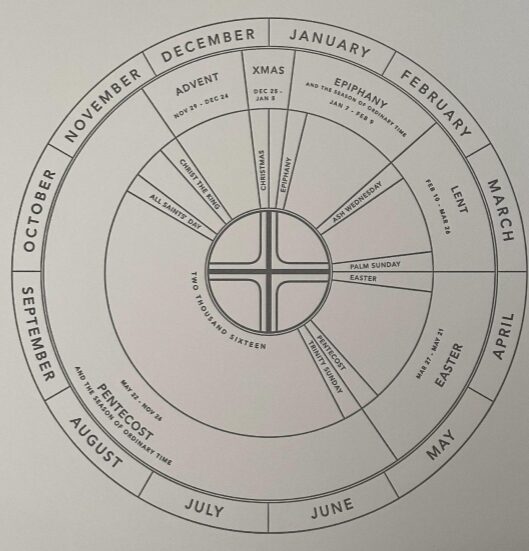
The liturgical calendar is really a beautiful piece, and I love this graphic of it because it makes it a circle, which is what our calendar really is. Every February 14th comes around, and it’s always Valentine’s Day. Christmas comes around, and it’s always December 25th. Other holidays do move, but we don’t think of time as circular. We make a timeline. We don’t make time a circle or spiral.
Between the end of November and December, Advent begins. Starting with the first Sunday in Advent, we begin looking for the light. There’s this promise that the light is coming, that hope is coming, and so we start looking for the light.
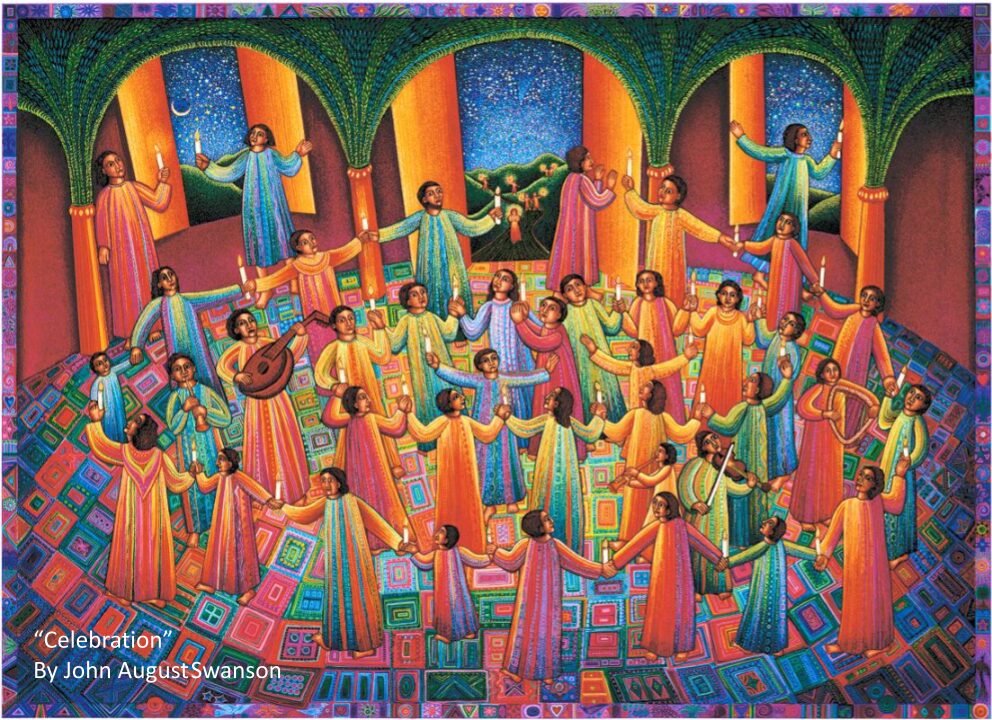
On Christmas Eve, the light arrives and we share it. That’s why we have a candlelight service on Christmas Eve, that’s where that comes from. That beautiful ritual that we have every Christmas Eve that we love so much, it comes out of this idea of the light having now arrived in the world, and so we share it, and this light continues to grow.
At Epiphany, outsiders, the Magi, show up and attest to the light and bring gifts. In Luke’s gospel, it says the child grew and became strong, filled with wisdom, and the favor of God was upon him. Next is his baptism. Jesus hears us often, we make it out as if everybody, as if the crowds hear it, but the crowds don’t react. I just read a thing about how it really says that it spoke to him, that Jesus hears “this is my beloved, my son in whom I am well pleased“– Matthew 3:17. Jesus hears that he has his own affirmation and begins his ministry, and through it, he is inviting people to the light. Last week, Jesus said, “You are the light of the world” – Matthew 5:14.
Until this point, this is the biggest light point, and it’s not a coincidence. That the light arrives as our seasonal calendar has its darkest night. That’s not a coincidence. Now that there is more light in our season, the light begins to expose our shadows & our darkness, and this next season that we begin on Wednesday, Lent, is when we start to see the darkness in the people in scripture, but we also are invited to see the darkness and our ability for evil.
That brings us to the end of the Easter season, it’s almost June, and we’re almost going into our longest day. It’s all lined out, and today is about having a bigger vision. That’s what Jesus was giving the disciples, and I wanted you to have a bigger vision of how the liturgical calendar is lined out.
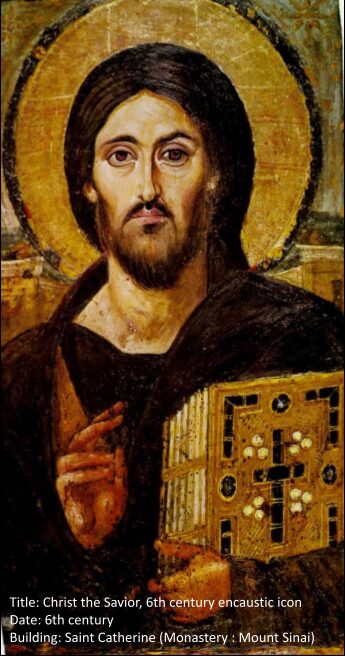
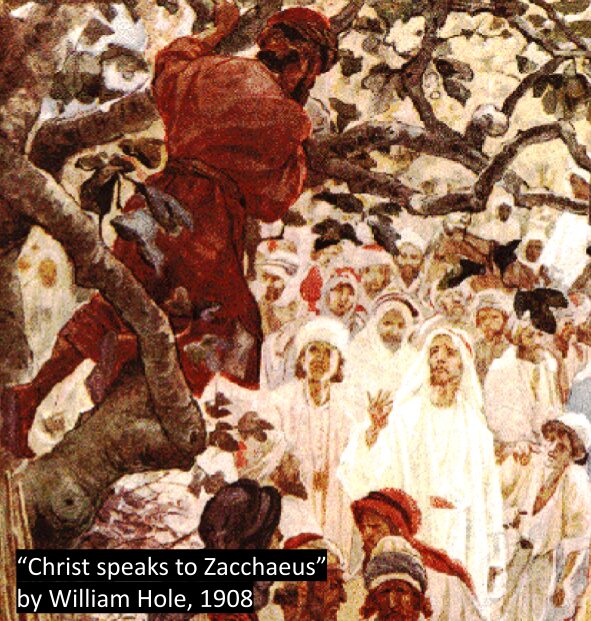
Here we are, Peter, James, and John go up to the mountain. They have this moment. They wanna build shelters.
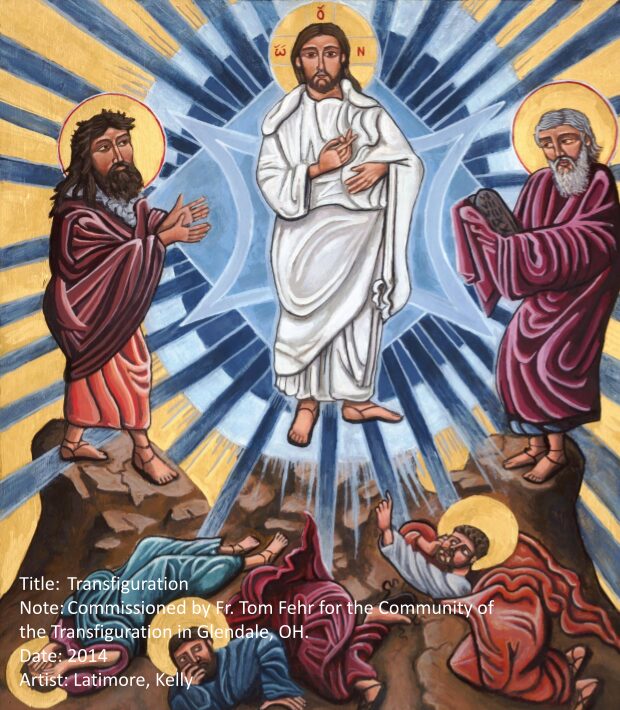
The Festival of Sukkot is a Jewish festival where they build. Jesus says It’s not about that. That’s not what we’re doing here, but they hear this time, God speaks to them and not just Jesus, and says, “This is my Son, whom I have chosen; listen to him” – Luke 9:35. That’s the piece that is specifically for us, listen to him.
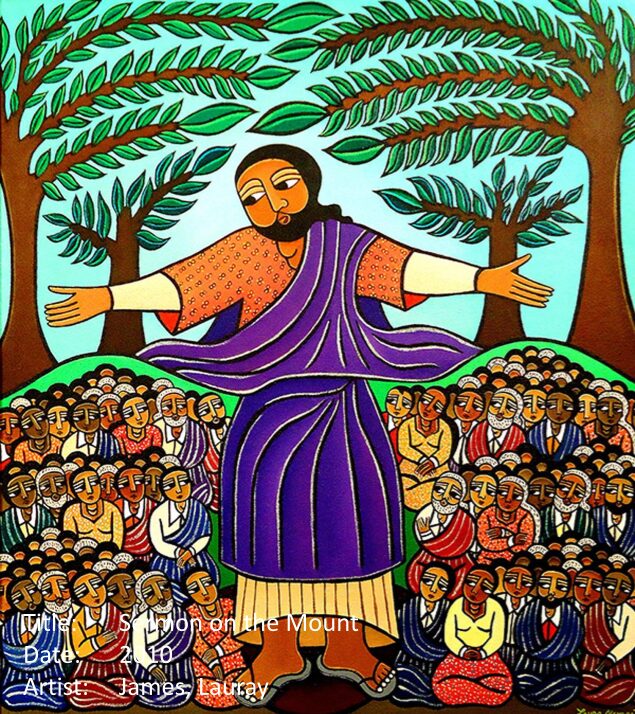
If we haven’t gotten it by this time, when we see him gleaming, we have a cloud, and we have a voice and everything, if we haven’t figured out that this is somebody special, not only are we supposed to recognize that he is the son of God, but we are to listen to him, And what is Jesus’ command to the disciples? “But Jesus came and touched them. “Get up,” he said. “Don’t be afraid” – Matthew 17:7. That’s the commandment, to get up. Jesus says to the disciples, get up, we have work to do. We aren’t staying here on the mountain. It’s not about staying in that mountain moment, but we have to come down from the mountain because there’s work to do. Do not be afraid. It might be scary, but it’ll be okay. Do not be afraid because God’s in this. God’s got this. Do not be afraid. Trust God. Over and over again, we get reminded to trust in God.
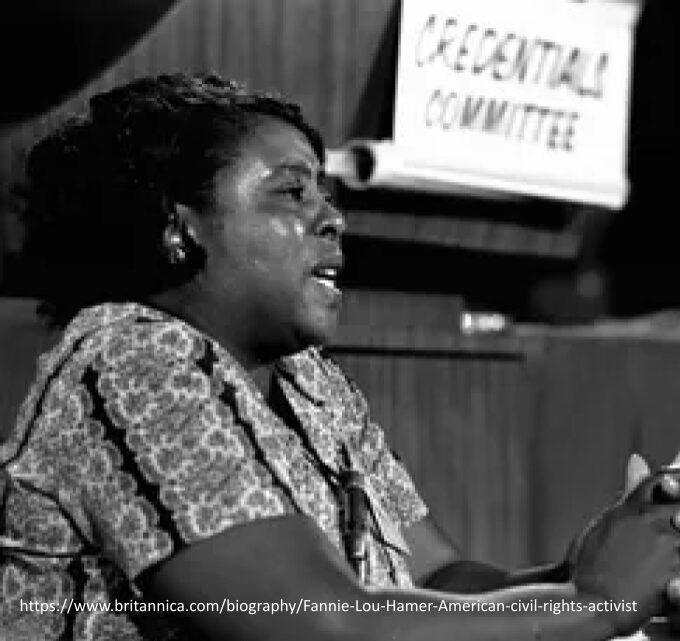
This February, we are also looking at African American history I’m trying to pull out specific people who live out Jesus’ commandment.
I wonder if Dr. Alvin Poissant, in his work, had to remind himself many times to get up and do not be afraid. Dr. Alvin Poissant was born in East Harlem as the seventh of eight children. As a child, he had rheumatic fever that put him in the hospital for a long time. When he was in high school, his mother died of cervical cancer.
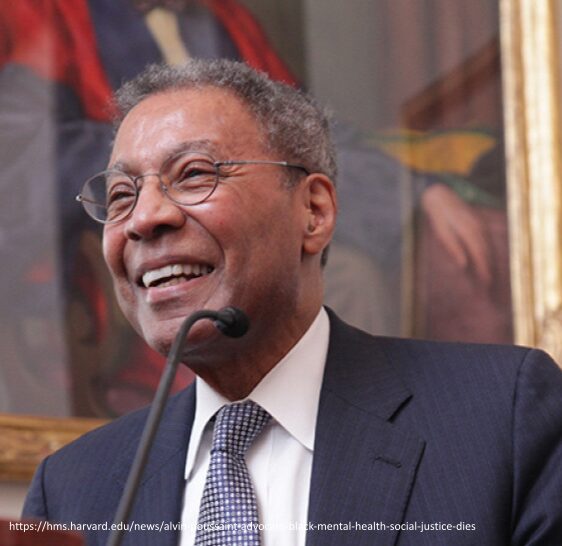
He had the advantage of going to a primarily white high school, and from there, he was able to get into Brown. He had a bachelor’s degree from Brown. He went to Cornell Medical College and got his MD in 1960, when he was the only black student in his class. Then he went to UCLA, where he did a residency in psychiatry and got a master’s degree in psychopharmacology.
Then he went to Jackson, Mississippi, and there he helped to provide medical care for civil rights workers and helped desegregate hospitals and healthcare facilities. In ’67, he moved to Boston and was directing a psychiatry program in a low-income housing development for Tufts University Medical School.
Eventually he was recruited by Harvard Medical College, and he started as an associate dean of a student affairs and he became a professor of Psych. Psych psychiatry. If I get the all the right syllables, I’ll do it right. In his time at Harvard, he sponsored, which, which was, he was a prof.
He was at Harvard Medical School for 50 years, and he was the voice of diversity. His voice and his work were about improving the public understanding of black children and families, mental health and suicide, school violence, and substance abuse. He wrote and spoke about the importance of nonviolent parenting and advocated for positive imagery of minorities in the media. He also worked to increase diversity in medicine and reduce health disparities by bringing more members of underserved populations into the medical field.
Unfortunately, Dr. Poissant died last February, but I pulled this information from the Harvard Medical School website. Has a huge write-up on his life and work. He was certainly revered and loved. I found this quote by Shirley Chisholm, and I think it fits what he did.
“You don’t make progress by standing on the sidelines, whimpering and complaining. You make progress by implementing ideas”
Unfortunately, we are living in a time when Dr. Poissant’s life’s work is being erased. I mean, he represented diversity, equity, and inclusion. That’s what he worked for within the medical field and specifically at Harvard. We’re living in a time where all of the ways that we understand who we are as a country are called into question, and we have to decide who we are. The future that we want to leave for the children and our grandchildren. Like Peter, James, and John, we are invited into the vision of what could be and permitted to be active in accomplishing God’s vision of justice.
Like the disciples, we are being asked to have the courage, not to be afraid in the face of intimidation, cruelty, and hatred. Like them, we are being asked to be willing to follow, get up, and not be afraid.
We are the children of light. That doesn’t mean that we’re always good. We have the same amount of potential to be good as to be evil. It is within us all. We have to be focused on being good, we have to be focused on doing the loving thing, on loving our God, loving our neighbor, whomever they may be, and loving ourselves as we are, as the people God created us to be. With all of our gifts, foibles, goodness, and weaknesses. We’ve got all those things,
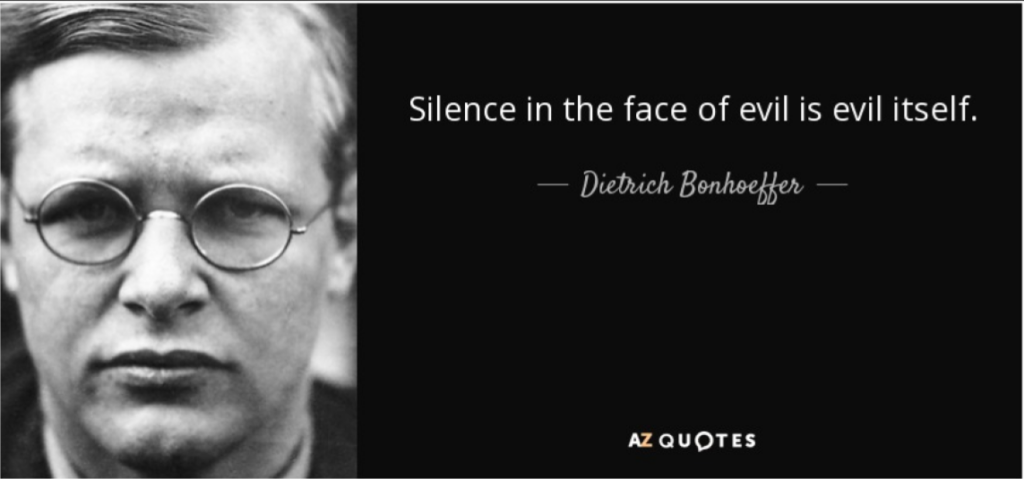
We have to figure out how we can use our voices now to stand for love. What we cannot be is silent. We will not be silent because that means being complicit. If we don’t challenge voices that are hurting others, they think we agree. We can’t let them think that because they want to control us, too.
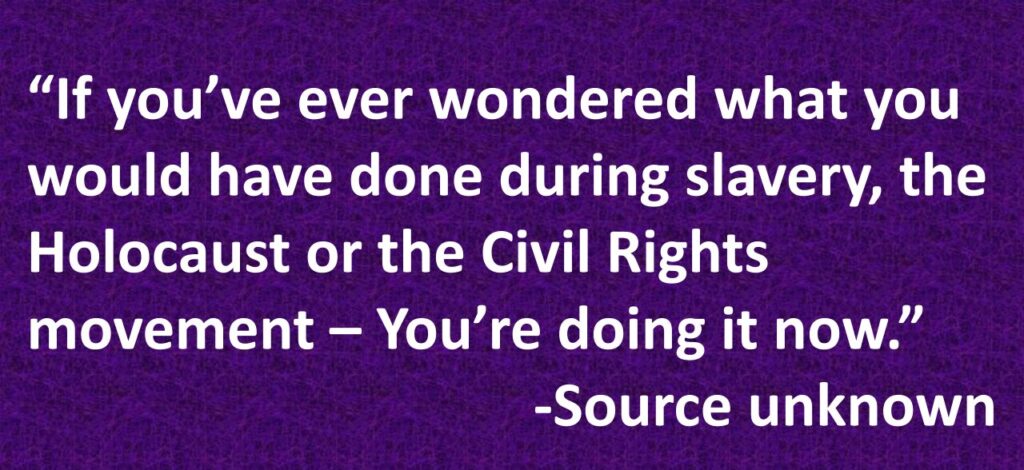
We cannot be silent when they want to send ICE agents to our voting places this November. We cannot be silent about it. That is intimidation, and it is illegal, and we need to say that loud and clear. We have to say it is not okay to disappear people. We won’t have that. That’s not the way our country operates. You don’t get grabbed off the street and sent to a camp. I heard them called concentration camps because the definition of a concentration camp is a place where there is a concentration of people being held before they’re sent somewhere else. We have them in this country. We’ve done it before. It wasn’t right before, and it’s not right now.
We cannot be silent about the need for checks and balances within our government. They don’t get to choose what’s moral. That’s our job. Jesus tells us what is right. What does the Lord require of you to act justly, love mercy, and walk humbly with our God? That is moral.
So get up and do not be afraid. Let us stand for love.
May it be so. Amen.
Like this Sermon? Click Here to View More in this Series
Prefer to Listen to this Sermon? Click Here to Listen to the Being Apostles Podcast