Causes of Life
I want to begin by celebrating our choice last week.
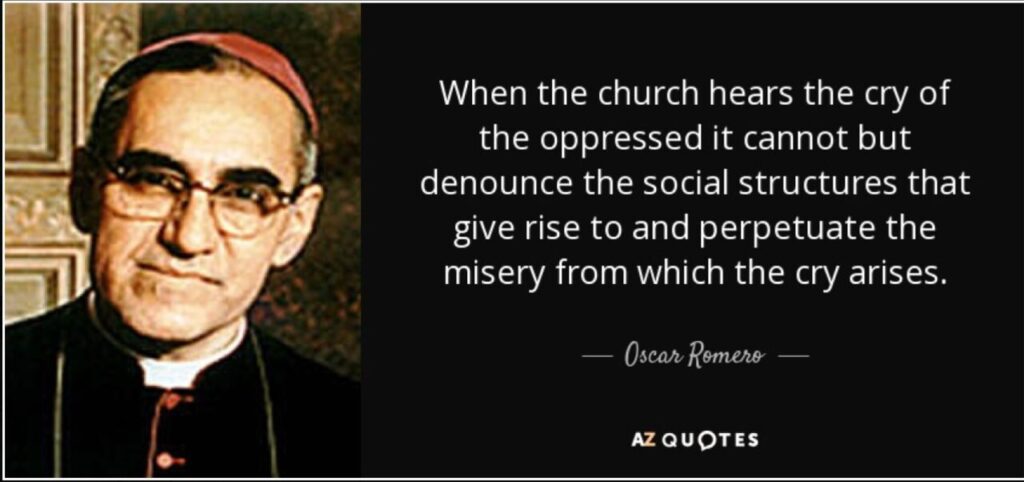
Last week, you had three large decisions, two of which were significant, and those were on the inclusive church covenant and on the sanctuary remodel project. You overwhelmingly chose to live, and that, my friends, is good news. You said that this “keeping the status quo” is not enough, that it matters that we welcome people. That it matters, even if we don’t understand. We can still love others. We can accept them as they are. We can listen to the things that they need and make accommodations, because they matter.
That is not a message shared in all churches. For a lot of people, their faith is literally the difference between whether they live another day or not. I can’t say that that is how my faith works. I’ve always had faith. I was raised in faith, and so I’m not sure that I’m at that point, but my faith is important to me, and I recognize that some feel like God is not for them. I guess that’s the point. I was always told that God loved me. There was never a time when I was told God didn’t love me, and that makes a big difference in who we are.
The Ephesians text for today, Ephesians 1:11-23, is about this love that God has for us.
The writer is taking this love that we call the blessing of the Jews. You know, the Jews had been the chosen ones, that’s said throughout the older Hebrew testament, in Jesus. This was opened up to those who were not Jewish, and that means us. We didn’t have to become Jewish and follow all the Jewish laws to become Christian. That in Christ we are.
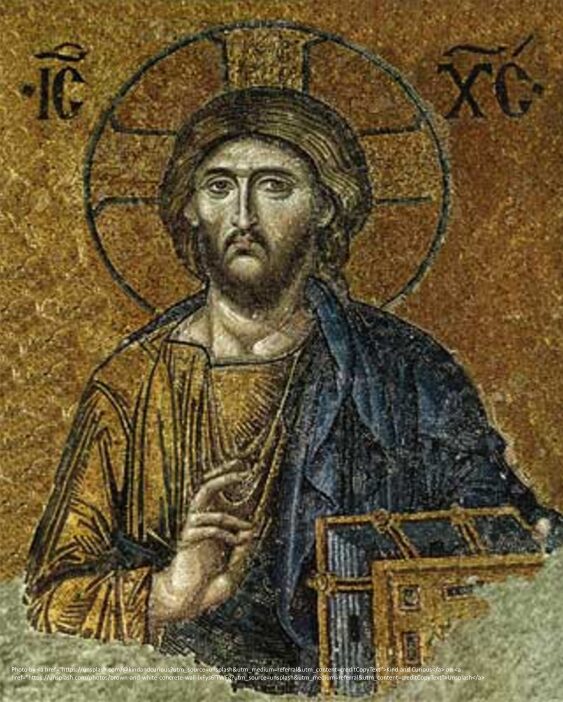
In Roman law, “adopted” meant that you were entitled to everything. The same as one who is physically born, a family heir. An adopted person has all of the privileges and obligations of the family of origin, and so we are given the blessing to be called children of God. That is who we are. We get to claim that, and I hope you can feel that in your bodies. Because that’s an important message. It’s important to know that you belong.
That’s a part of belonging. Again, it’s a part of the love that is available to all without exception. Our problem is that for time and eternity humanity has tried to put restrictions on that and say everybody but these people or everybody but these people, we’ve always tried to make an other that for whom that does not apply.
That’s not the way God looks at it, I don’t think. Not that I know exactly what God thinks, but God and Jesus were very much about sharing God’s love with all people, and many of the religious authorities thought they were not part of or were outside of God’s love. Whether they had a physical ailment or a deformity or some kind of challenge, the religious authorities in Jesus’ day said, “not you. You are not welcome.” And Jesus said, “Yes, yes, you are.”
The good news about this is that we didn’t earn it. We don’t deserve this adoption, and we didn’t earn it. There’s nothing that would make us good enough to earn this. It is a gift freely given because of who God is, not because of who we are. The good news is that we will mess up, but that doesn’t mean that we are then outside of the family of God. God keeps us in that family no matter what, and maybe our greatest sin of all is that we think that who we are and what we have is because of us rather than God. We forget, or we lack gratitude. We forget to be grateful. We forget to come back to God as the source of all that is and will be.
We get into our minds that, “but look what all we have. Look what we’ve done.” No, it’s not about what we’ve done. It’s about what God is doing through us. Just to clarify, I just said about the fact that we chose life. I think we chose life because God was moving in your hearts to choose life. I don’t think it’s that all of a sudden we had this great, well, maybe it is because we had a great epiphany, but that epiphany was put there by God. Our responsibility, our choice is to then become our best selves because of God’s love, and this being part of God’s family, so that we can work to be grateful, generous, and kind to everyone.
The reality is that these woes in Luke 6:25-35 come to us all. None of us will escape life without some type of heartache or suffering.
This verse gives you the blessings first. But when I read it, I started with the woes. You’re probably thinking that was a really odd place to start, you’re right. It was a choice I made, but I made it because I think the “love our enemies” sounds different when we start with the woes.
The other thing I learned as I sat with this scripture is that it matters how we perceive God. How do we see God? Do we see God as this loving, encouraging, and comforting presence? Or do we see Him as the God of wrath?
After David and I were married if I would stub my toe or hurt myself somehow, because I am a little clumsy, I would be like, I’m sorry, God, I don’t know what I did, but I’m sorry. I felt like God was getting me for stepping out of line. The hellfire and damnation God that was just waiting for me to step out of line and zap me. That’s the God I grew up with, and I’ve been working really hard for a long time to let go of that God, and I’ve done pretty well on some fronts. But when I read that woes text, I wanna read it with the hellfire and damnation voice.
But why does that matter? I think two truths come into play in this. Hurting people hurt others, and tone matters. I think David told me that all the time we’ve been married, tone matters, and it changes the scripture, doesn’t it? It’s very different if it’s God coming at you or if it is God saying with empathy and compassion, you might be full now, but you will be hungry. Life might be going well now, but there is pain in life. People die, our hearts break, and we have to be prepared for that. That’s very different.
I say all of that because it’s Thanksgiving week, and I don’t know what kind of Thanksgiving gatherings you might be going to, but you might be going to a gathering where there’s someone who’s hard to love.
I hear about how with everything that’s happening in our country, there are a lot of families that are divided and are struggling to sit together at a table. I want you to focus on this scripture, so even if a person that you’re gonna be with this week has a very different position from you, one that even is the opposite or worst case scenario, threatens who you are, then you have some choices of how to love that person. If we can be with that person, then let’s love them. By listening to them, let’s love them by asking, and by being curious and compassionate. Trying to understand what the fear is that they have, because that’s what drives that kind of behavior. Where is their fear?
If you can, do not argue, but if you can say something, make a heartfelt statement about what you see in the world, in our country, and in our community, just name it. “What I see is this … and it breaks my heart.” That kind of statement lands differently. It’s one of the reasons I’ve backed off from some of the groups that I’m in because there is anger and militaristic opposition, and I don’t think that’s it.
I think we are called to be different. I think that’s why the church grew from the beginning, because the disciples and the new Faithful Acts they lived differently. They lived in ways that they could love each other, and those with whom they disagreed, they could love when it made no sense to love; that’s a high calling. That’s not easy. I know that.
I certainly couldn’t have loved, still don’t, but I’m at peace with the person who was the oppressor and abuser in my life. I’ve made peace with them, but they’re dead, so I’m safe. I understand that that’s also part of this. This is not asking for any kind of submission to any abuse; some people make that argument, and I do not believe that. I do not believe that God or Jesus would call us into that. It is about the non-violent non-retaliatory methods and approach, like that which Bayard Rustin did with the Civil Rights movement.
I didn’t even know about Bayard Ruston until Declan introduced me. Everything was going against Bayard. He was African American and he was gay, so even the civil rights movement didn’t know what to do with him, which is why there’s not much written about him. It’s harder to find him among those who are the people we lift up.
As we move into Thanksgiving, I hope that you can look at your life and be grateful.
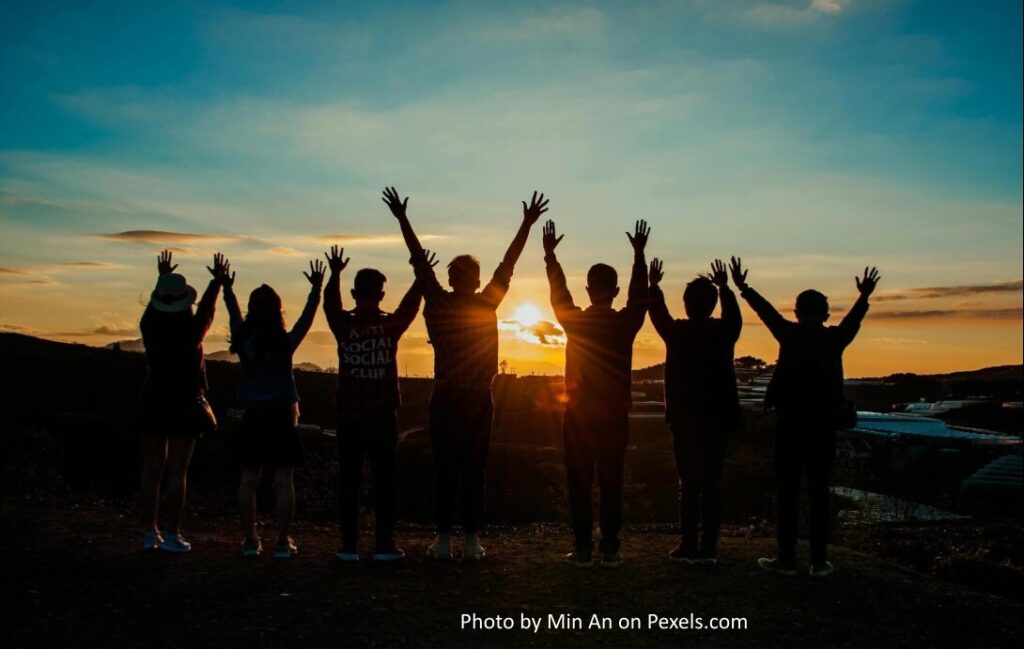
Make a list of the things for which you are grateful. Share them. Share that at your dinner tables. Help people get in that mindset of gratitude, realizing that it’s not us who accomplished it.
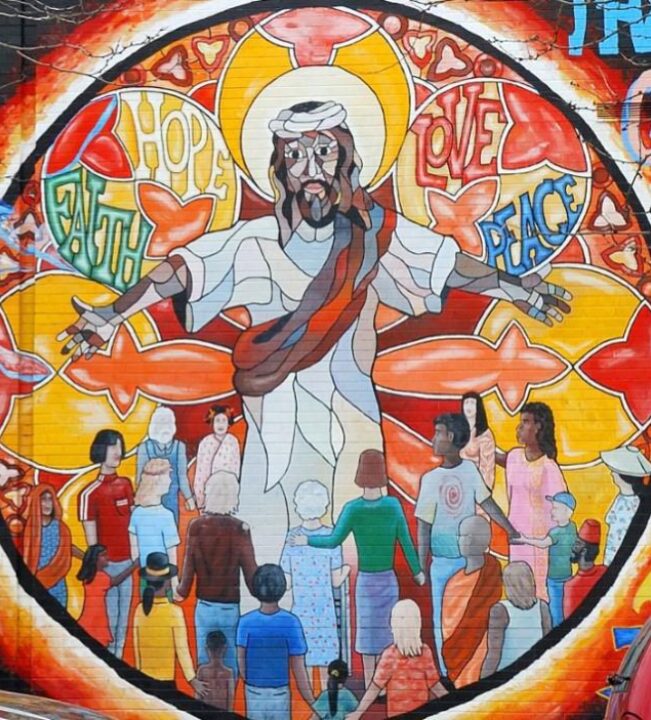
The leading causes of life really boil down to hope, gratitude, belonging, and choice. Those things are not always accessible or reasonable for people who are suffering from poverty, sorrow, hunger, or marginalization, but we are called to help them find that. We are called to help them see how they can have hope because of Jesus. That’s who we are called to be.
My Thanksgiving wish for you is that you can fully embody love and that you can perceive others through love or see them through the lens of love as Jesus sees them.
May it be so. Amen.
Like this Sermon? Click Here to View More in this Series
Prefer to Listen to this Sermon? Click Here to Listen to our Being Apostles Podcast