On Wednesday, I had to go out, but I had the privilege of deciding when I went.
So when I looked out, and it was raining, I decided to wait for the rain to pass. While I waited, I was thinking about the fact that not everyone has the privilege of making that choice. Those who are without shelter have limited choices. Those who use public transportation and are unprotected from the elements may not have this privilege.
God created all that exists – including the weather and in our intelligence and our arrogance, we have created the means by which to ignore God’s parameters. We created lights so we could stay awake at night, but then we decided that since we could stay awake, people should work during the night hours. And we created cars because they were more convenient than carriages, and they work in all temperatures and all weather. So we have to go to work in the rain and the snow in the frigid cold and brutal heat.
I just wonder if we have not done ourselves a disservice. And I wonder if we do a disservice to others by expecting others to work all sorts of hours to make our lives more…complete? So we can have what we want whenever we may want it? So we have the emergency care we need – yes. But have we bought the lie that we have to work on all days – in all conditions to make money for others?
As an older person, these are the things I’m beginning to think about. Who am I trying to please with my life?
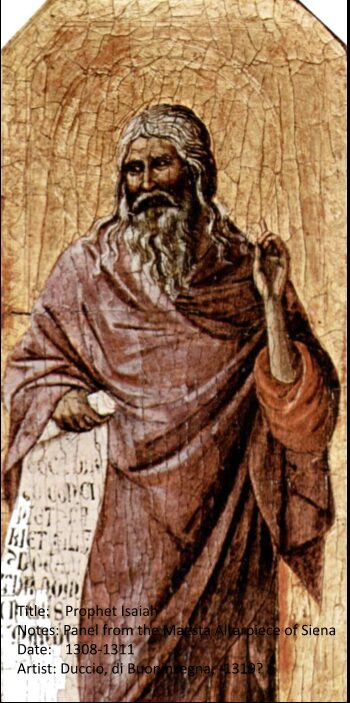
Our scripture from Isaiah 40 is part of a poem of exilic hope written to the people of Judah during the Babylonian exile – People who felt hopeless and forgotten by God.
Here, the writer asserts that God is both creator and ruler of the world, who promised them a joyous return to their homeland & reminded them that they are not alone. God has not abandoned them, even if they were told this happened as a consequence of not following God’s laws. God was still active in the world and was with them – even if they don’t notice or feel God’s presence. Just as God is still active and present with us – even if we don’t notice or feel God’s presence.
In Matthew’s Gospel, John is criticizing those who are exploitative and self-serving. When the institution loses sight of the higher and greater good of all, we are in jeopardy. When we make money by causing another’s suffering, we have lost our way, and Matthew is very clear that there is a type of “hell” waiting for us whether it is described as “an unquenchable fire” or where there will be “weeping and gnashing of teeth.” Matthew uses that line six times in his gospel as he is clearly using fear and intimidation to encourage faithfulness. Personally, I am not fan!
BUT – When do we stop and consider how our living affects others? What have I done through my words? What have I done through my silence?
If I asked you right now to name a few people whom you see as exploitative and self-serving, you could at least give me your top three – if not many more! But as Matthew also says, “Why do you see the speck in your neighbor’s eyebut do not notice the log in your own eye? – Matthew 7:3
I don’t know about you, but those at the top of my list for exploitation and self-serving actions are hurting many more people than I think I do; however, this is a good reminder that I may not realize who all I affect by buying the cheapest items made in sweatshops by forced child labor. The reality is that we are terrified of not having enough power or enough money.
White Christian nationalism is about these trying to preserve these two things, and it will fail because God is about diversity.
Look at all that we have considered this summer there is diversity in everything God created!
So why do we think that only white men with money have the answers, especially while they try to hide their own sins! We are part of an ecosystem – and it only works when we all play by the rules.
And Jesus laid out the rules very simply: Love God – Love one another. Care about people other than yourself and your group!
When everything is shared, there is less poverty and crime because when everyone has what they need, there is less need to cheat and steal. We honor the natural and social world by caring for others and making sure others have what they need.
The last time I preached here, the topic was Jesus’ baptism. If you were here and you remember that far back, you’ll remember how I proposed that the point of this story was to show us that Jesus was more like us than perhaps we thought he was.
At Jesus’ baptism, the descending dove from heaven was there to affirm to Jesus who he was, God’s Beloved Son. In that story, we can also hear God saying those same things to us, that we are God’s beloved children and we are loved.
Today, we find ourselves back in that continued story. Right after his baptism, Jesus immediately went into the desert and spent 40 days fasting and praying. Have you ever fasted for 40 days? I tried it one time. I attended a charismatic, spirit-filled church more than 10 years ago, and they were big on fasting at least once a year. The pastor there would call the entire congregation to a fast, usually a really specific type of fast, referred to as the Daniel Fast, though it was considered to be a partial fast. Meaning that the person fasting focused on cutting certain food groups out, and they were allowed to eat others because it was called the Daniel Fast. It was considered to be the right kind of fast. It was for the super spiritual people to use this fast as more of a bragging right, or a way to make themselves look and feel more holy than others around them. They would make a big thing of preaching to others about it. They would overemphasize the stomach growls and the digestive issues that result from separating your diet into different groups.
This past week, on Ash Wednesday, we spent time in Isaiah 51, where God was angry at people who would fast for show and at the same time engage in dishonest business practices, abuse their servants, disregard the least among them, and fight with their neighbors. That was very much the culture of the church that I attended. Needless to say, fasting left a bad taste in my mouth. If only for that reason, I’m not gonna call you guys to fast, at least not in that way in our gospel reading.
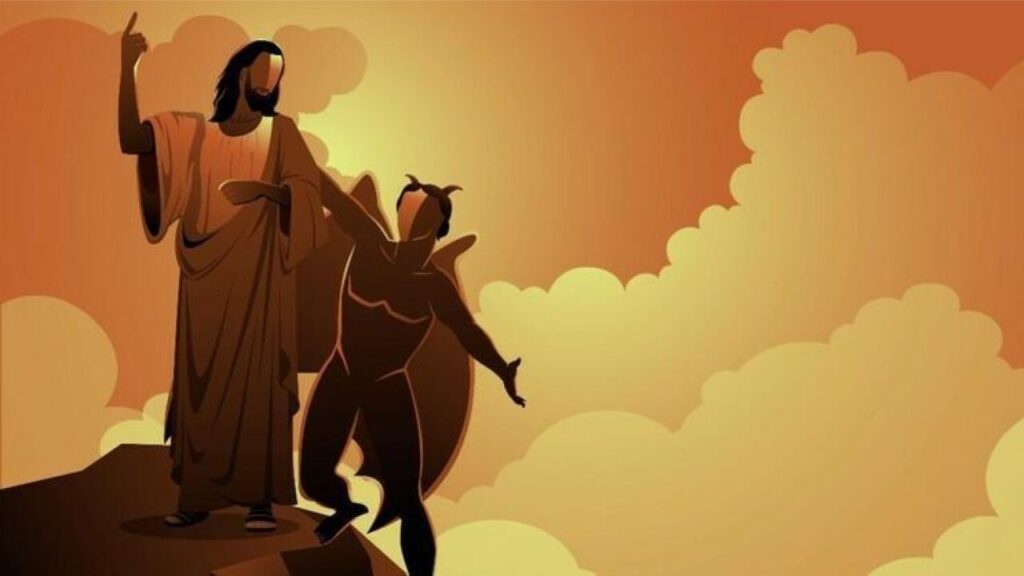
In our Scripture reading today, Matthew 4:1-11, it said that Jesus fasted for 40 days, and at the end of that, the devil appeared to him, the audacity.
Can you imagine how hungry Jesus was? Remember, Jesus was fully human, so it’s not a stretch to say that he was probably hangry. I know that nobody here can relate to that, but just try to stay with me.
According to the passage, the fast was over, Jesus should have been able to leave the desert, walk into town, and grab himself a burger. But no, this guy shows up and starts his shenanigans. Hey, Jesus, are you hungry? I bet you are. Why not turn those stones into bread? But Jesus doesn’t bite. It isn’t pumpernickel that keeps me going. “Man does not live by bread alone. Rather, he lives on every word that comes from the mouth of the Eternal One” – Matthew 4:4.
Jesus isn’t saying that bread or pizza or ice cream or french fries are bad, or that we should all starve ourselves. What he is saying is that he’s not going to use his privilege as the son of God to satisfy his desire for food. He could have turned the stones into bread or anything he wanted, but why? What would that prove? Maybe the question is, what does not doing it prove?
Perhaps it proves that his relationship with God is what gives him life and the ability to keep going, even when his stomach growls louder than he can speak. The devil didn’t care that he was hungry. He wanted to make him question his identity, to doubt that God really loved him, to lean on his own abilities to satisfy himself, but Jesus didn’t take the bait. If the second and third temptations are more of the same, the devil takes him to the top of the building and tells him to jump. God will send angels to catch you. But Jesus replies by quoting Deuteronomy, don’t you dare test the Lord your God. Why would I cry wolf when there’s no wolf?
Jesus knew that God was protecting him. He didn’t need to run a full experiment to verify that promise. In a last-ditch effort to get Jesus to fold, the devil takes him to the top of a very high mountain and shows him all of the kingdoms of the world, and he says to him, “If You bow down and worship me, I will give You all these kingdoms” – Matthew 4:9. Jesus had had enough at this point. The devil had badly miscalculated, and now Jesus had beaten him. I know who my God is, and you definitely aren’t it. I will only ever worship the one true God, the devil left tail between his legs, defeated. He should have known better if Jesus didn’t fall for the first one.
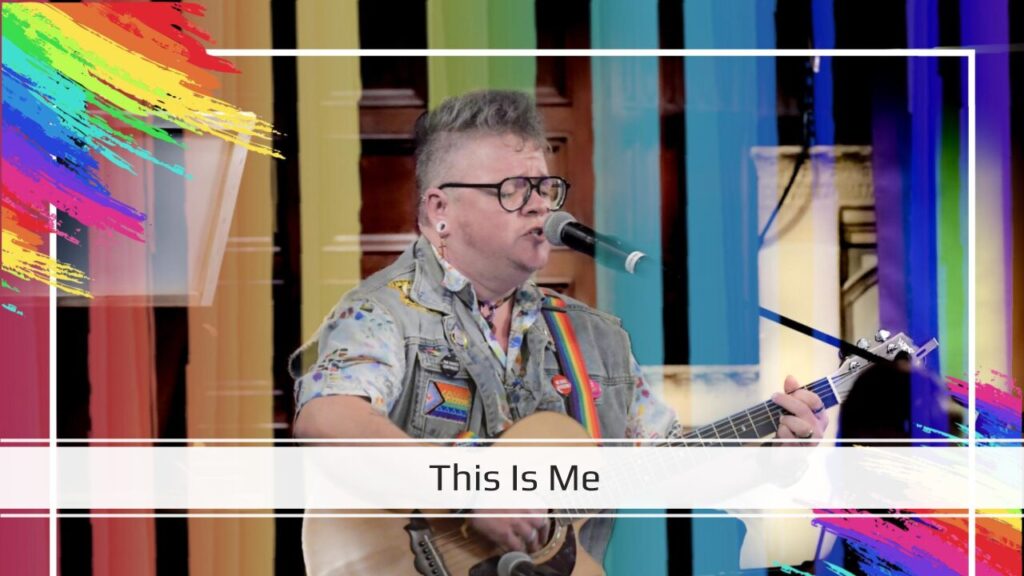
When I was younger, I used to go to open mic nights and karaoke. If you hadn’t picked up on this yet. I love to sing, I love to play guitar, and I love doing those things for other people’s enjoyment.
Every time I would go out, somebody would inevitably ask me, “Why are you here? Why aren’t you on American Idol?” And I would often reply to them that I didn’t want to be famous. Fame can change people, and I didn’t want to be changed. I remember watching American Idol and noticing how, from the audition to the final performance, the contestants were completely changed. Their look, their sound, and their presence were all shaped and molded by the judges and coaches. A lot of the time, at least from my perspective, it was not for the better.
I felt that if I went on a show like that, I would be selling out. What I had not yet grasped at that point in my life was that I was actually doing that very thing every day. I was presenting to the world in a way that it had molded me and in the way that I thought was most acceptable. Meanwhile, I was hiding and denying who I really felt that I was inside. It was God’s love that broke through and changed me when I finally recognized and allowed myself to come out to myself and the world; no amount of stone sandwiches or rooftop flight experiments or crowns or kingdoms could make me give up my identity, the real me, my soul.
A few years ago, while I was at the beach with my adopted parents, I asked my dad, who is a retired United Methodist minister, if he would baptize me. I had been baptized as a teen, but I wanted to hear the name that I had chosen spoken as I was laid beneath the water. There was no dove, but I heard the same message that Jesus heard from God as I emerged from the salty Atlantic waters. Deklan J. Lewis knows that he is a beloved son of God, and he knows that the love of God is the only thing that truly sustains him.
This month is Black History Month, and we’ve been highlighting a piece of that history each week.
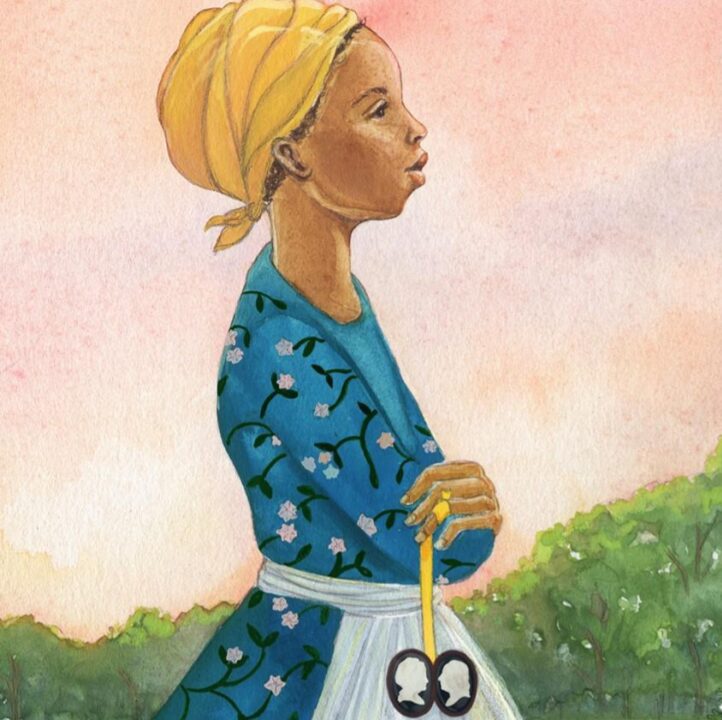
This week, I was looking over the notes that Pastor Kathryn had put together, and I came across this article on the White House Historical Association’s website. I was really surprised to actually find this article. It was amongst the slavery in the President’s neighborhood Initiative materials. This piece was about a woman named Ona Judge.
She was a slave owned by George Washington’s wife, Martha. The article details what is assumed about Ona’s life as Martha’s preferred lady’s maid, stating that she had some kind of status because she had nicer clothes and she got more than one pair of shoes per year. The article seems to assume that she might have been happy as Martha’s personal servant, but it also goes on to tell of Ona’s escape to freedom.
After learning that she was about to be given to another member of the family as a wedding gift, Ona ran away. Later in her life, she shared in an interview, “I was determined never to be her slave.”
I can imagine that, as an enslaved person, personal identity is a complicated struggle. In Ona’s story, we can see her declaring what her identity would not be. Ona lived the rest of her life in freedom. Married, had children, and actually shared her experience in slavery with several newspapers.
Ona could not have done what she did without a strong conviction in her heart. In the same way, Jesus could not have resisted the temptations of the devil or any of the other incredibly difficult things that he did in his life without knowing who he was and who God said he was.
So who are you? Who are you not?
What would you do for a Klondike? Would you turn an iceberg into ice cream? Seriously, what are your non-negotiables? What are the things that you’re not willing to compromise on, and how will you stand up for those things in this season?
I wanted to share a song with you guys, because that’s what I do, that speaks to this idea of knowing who you are and standing firm in your identity. It’s become somewhat of an anthem in the LGBTQ+ community, but I think it really applies to just about everybody.
I am not a stranger to the dark “Hide away, ” they say “‘Cause we don’t want your broken parts” I’ve learned to be ashamed of all my scars “Run away, ” they say “No one’ll love you as you are”
But I won’t let them break me down to dust I know that there’s a place for us For we are glorious
When the sharpest words wanna cut me down I’m gonna send a flood, gonna drown ’em out I am brave, I am bruised I am who I’m meant to be, this is me Look out ’cause here I come And I’m marching on to the beat I drum I’m not scared to be seen I make no apologies, this is me
Another round of bullets hits my skin Well, fire away ’cause today, I won’t let the shame sink in We are bursting through the barricades and Reaching for the sun (we are warriors) Yeah, that’s what we’ve become (yeah, that’s what we’ve become)
I won’t let them break me down to dust I know that there’s a place for us For we are glorious
When the sharpest words wanna cut me down I’m gonna send a flood, gonna drown ’em out I am brave, I am bruised I am who I’m meant to be, this is me Look out ’cause here I come And I’m marching on to the beat I drum I’m not scared to be seen I make no apologies; this is me
In a time where many people want to make who I am and who a lot of my friends are illegal, we have choices to make.
Do I change my name back to the name that was originally on my birth certificate? Do I change the gender marker on my ID? Do I change the way I dress? Do I grow my hair out so that I’m less of a target to gain access to safer spaces in the current climate? Or do I save my soul and stay true to who I am? Would life be easier and less scary? Probably in a lot of ways, the answer is yes.
Maybe it would be easier for you to go to a different church that doesn’t ask you to stick your neck out for the oppressed. Maybe it would be easier if you kept your thoughts and feelings about ICE raids from your neighbors, your coworkers, and your family, but what would you stand to lose? What would you gain if you didn’t compromise?
I encourage you to hold these questions and the questions that are inevitably going to be prompted by these questions in your hearts this week, meditate on them, and press in. See where you’re really standing at the moment. As we move forward, press pause, listen, and know who you are.
I think for most of my life, Lent was about giving something up.
Back in the day, the Catholic church told folks that we needed to give up meat on Fridays and eat fish, and that was great for the fishing industry. Actually, it is a healthier option, and it’s better for the planet. More recently, I hear people talk about giving up chocolate, wine, or some other special thing that they prefer. Maybe it’s desserts or something like that.
I want us to look at this a little differently this year. I am going to ask you to give up something, but I’m hoping that what you’ll choose to give up is the noise or the busyness. Maybe if you’re one of those people who are very busy and do not have a lot of downtime, choose more music than news.
Let’s tone down the rhetoric by just choosing a different option. This year, we’re asking you to slow down.
I’m calling it, “Press Pause & Listen”. Press pause on whatever noise is around you. Press pause on that. Churning chaos that seems to surround our lives right now. We all need a little bit of a break, and what I want you to think about is what are the priorities in your life? What really is most important to you? Is it family? Is it your faith? Friends, money, our neighbors?
Then, in these moments when you pause, I want you to think about how you spend your time. What do you spend the most time doing? Are you focused on the things that matter to you the most, and if not, what could you do differently? That’s something to think about this season.
In our Scripture today, Isaiah 58:1-11, God speaks through Isaiah, calling to the people.
Mainly to the people who had all the things they needed, and he says your fasts are meaningless because you’re not giving anything up. You’re still focused on yourself. You’re not looking at the needs of others.
I think that’s the other part of the listen. When you’re pausing and listening, I hope that you’ll listen for the still small voice of God within you. The voice of your better angel, and I hope you will stop and listen to those around you. That’s where conversations are gonna come in. Our scriptures for Lent have a lot of conversation, people asking questions of Jesus.
I’m gonna invite us to explore some questions, and I’m gonna invite you to sit and think about some of those questions to share with one another, because the way we build community is by knowing the people around us, and we do that by listening better. So often when we get in a conversation, we think about what we wanna say, and we’re not paying attention to what is being said, or maybe the feelings and emotions that are being shared in that moment.
But if we have to do that, we have to notice others, so that we can have compassion and we can understand others better. Right now, we need to have a better understanding. For a lot of us, it’s not easy, and it’s really hard. I’m not gonna sugarcoat this. It’s hard to hear someone say something that is enough to make your blood boil, but what does the Lord require of us?
I usually quote Micah 6:8, “To act justly and to love mercy and to walk humbly with your God.” Isaiah actually has a little bit of a different answer. Actually, it’s not different as much as it defines what justice and mercy and walking humbly with God look like in this scripture from Isaiah,
“Remove the chains of injustice! Undo the ropes of the yoke! Let those who are oppressed go free, and break every yoke you encounter! your bread with those who are hungry, And shelter homeless poor people! Clothe those who are naked, and don’t hide from the needs of your own flesh and blood!“
It is about looking at the other. It’s not about saying, “What do I need?”, it’s about saying my neighbor doesn’t have food. Or I haven’t seen my neighbor come out of the house in a while. I wonder if they’re okay, and it can be as easy as picking up the phone. It can be as simple as just expressing care.
Are you all right? Is there anything I can do for you? They may say no, and that’s okay. You can ask other questions, more open questions. What’s happening in your life? What’s on your heart or your mind?
We are to love our neighbors and ourselves. That’s the command we’re gonna get again on Maundy Thursday. It’s the new command.
This week, I’m inviting you to Pause & Listen. We all have ears to hear and a voice to speak, to offer compassion. We can also listen to one another to help each other better understand.
A Talk with Rev. Kuhn (Black Text) and Rev. Edward Bailey (Blue Text)
Last week, I talked about how in this season of Epiphany, the scriptures are all trying to tell us about who Jesus is.
Although obviously, Isaiah 58:8-12 is trying to tell us about God’s expectations and what God’s vision for us is, we believe that Jesus is God incarnate. Jesus’s words, although they’re very much directed to us again, still point out what is important to Jesus. They’re talking about what Jesus’s priorities are, and what I hear in both of these scriptures is the need for justice.
Isaiah, who is a major Jewish prophet whom we listen to, reminds us about feeding the hungry and caring for those who are sick. It’s all the justice pieces that we hear Jesus repeat later in the gospels. This particular piece reminded us that if we stop arguing among ourselves, we will stop the infighting and pay attention to the needs of those around us. Then we’ll see the needs. We’ll see the hungry person, and we’ll see the person who is mourning, and we’ll see the person who needs clothing or a ride or maybe just a person to listen to them. We can do that because when we do justice, God helps the light of Christ within us to shine.
I saw it written as a sacred quid pro quo. If we do justice, God will bless us. But we have to do our part first, and that means we can’t just be sitting around here thinking we’re great. That’s what the scribes and Pharisees were doing. They had the list of the law. The laws still apply, but they had the list of the law and they thought, as long as we do this, we’re good. But then they had their own ways of applying it and deciding who was in and who was out. That’s not justice.
I think even worse was that the Sadducees and the Pharisees had actually co-opted themselves. They no longer worked for the people of God.
They were working for their own position. When Jesus came on the scene, he was for the people, and I think too often people don’t realize the Jewish people, as well as the other folk in that area, were oppressed by the Romans. They didn’t have their own rights. They didn’t have their own justice system, and they actually were conquered. When Jesus was talking to the people, he was talking on behalf of an oppressed people, not on people who are well off, well-connected, who are rich and famous, but he was speaking for those who had no voice for themselves.
As a matter of fact, I said to somebody upset with me, they said, “Reverend Bailey, you always speak in politics.” I asked him the question, what happened to John the Baptist? Why was he beheaded? Because he took on a justice issue, and too often the church doesn’t take on justice issues. We talk sweetly and nicely. That’s why nobody burns our churches down. So if you really believe the world is against you, the world will be against you.
But we have been so co-opted. That they don’t have any fear of the church or the word of God, because we are just like them. We forget that Jesus started a movement, not a church, a movement. That’s why people were hanged, people were crucified, people were killed, because he had a movement. We can barely move today. That’s not because of our age. We just don’t move.
So when you read these scriptures, they’re counterculture. They’re not for what we normally think that we ought to be. But God didn’t start an organization because he needed another organization for people to sit around and feel good about themselves. He created us to be a light in this world, so we’re supposed to make a difference.
I just recognized this morning that he said that light is supposed to be in the house. “People do not light a lamp and put it under the bushel basket; rather, they put it on the lampstand, and it gives light to all in the house.” – Matthew 5:15. You know, we don’t even show the light in the house. So if you can’t show it in the church, how do you show it outside? How do people see it? The light is supposed to be in the house.
And not only have they co-opted, but the rest of the church is silent. Yes. So, uh, you know, they called a silent majority. That’s the good folk. The people who got the gospel wrong, speaking loudly, and you don’t hear the folk who actually believe that Jesus came to save sinners. Some think that the way they look makes them righteous. Even if you have been convicted of 34 felonies, it doesn’t matter, you know, it doesn’t matter. Politics is more important than morality. When people co-opt themselves and become the church of the state. You don’t teach the gospel. You teach hate, division, and those kinds of things. Jesus came to bring people together and to help us provide for this life so we can go into the next life. I don’t think most of those folk care or are concerned about the next life.
I have one judge that I have to live for. So it doesn’t matter what other people say about me; what does the Lord say? And that’s what this gospel is all about. What is he gonna say to me on that last day? I don’t know about you, but I’m 76, so I’m concerned about that. What is God going to say to me about the life that I’ve lived? Doesn’t matter what other people have done, what’s He gonna say to me? I want to know what God is going to have to say about me, and he’s not gonna ask me about you.
I hear people claiming that they know the will of God and, and that God is blessing them because they have power and influence and money.
But as you said, Rev, that’s not who Jesus came to talk to. That’s not who Jesus brought together. That’s not who Jesus was focused on. Jesus was focused on the people who didn’t have and who were being left out by their state or by the empire that ruled their lives.
So when we are in this time and see that people are being marginalized, their voices. I mean, oh my goodness, people are being kidnapped and disappearing. I just heard of a 10-year-old boy who went to school and did not come home. I can’t make sense of that. That’s not what this gospel says. That’s not what the gospel of Jesus is about.
But the sad thing is, one thing about being retired is that I have a chance to catch up on things that I just had no understanding of. Watching Fox News or MSNBC, they don’t tell everything. I got a chance to listen to some of these podcasts. There’s this thing about policemen and what they’ve been doing. This is not new, where people with a badge have been snatching folk off the street, and doing all kinds of illegal things to folk. It’s not new, and it’s been going on for a while, and you know, people don’t even talk about it. How many women have disappeared in Lancaster County that we don’t talk about? It’s not in the news. Women who are being beaten and abused at home are not in the news. Yet they want to show us some person somewhere else that we can vilify. We wanna show them, but we don’t talk about what’s happening in our own neighborhoods. You need to check the statistics and find out how many young women are being disappeared. We are seeing how the Today Show’s host, Savannah Guthrie’s mother, has been taken; it’s not new, and, amazingly, nobody has talked about it.
We think that crime only happens in certain places. But it’s right where we are. Every time I hear somebody say, “Well, that doesn’t happen here.” Well, it just happened. So it must happen here. We as a people are being stubborn by thinking there’s a difference because of where you live. There is no safe place where there are sinners. Where there are people who will hurt you. Especially us older folk, some of us raised some criminals in our own houses who did not become criminals until we got old, and they wanted what we had. Getting old is scary because you don’t have the strength you had, and now you find out there are people out there who would take what you have. How many of you get calls from people who act like they’re your family, and they’re in trouble, and they want money?
What are we gonna leave behind? That’s what I worry about for my grandchild. Is this the America that I want my grandchild to be raised in? The answer is NO!
I don’t want him to have to worry about walking down the street and being charged with a crime just because of the color of his skin or the clothes that he’s wearing or the way he’s walking. I don’t want that. I don’t want people running with masks, coming into my neighborhood, and terrorizing us.
As a black man, I had the Ku Klux Klan doing that, coming into this community with hoods on, so you couldn’t recognize them. Why? If you are a part of the government, I ought to be able to see who you are. I wanna know who you are. My taxes pay for you. Can you imagine having an employee who comes to work with a mask on? Why are we allowing that? And if we seniors don’t say something, if we are quiet, nothing’s gonna happen unless you and I say something, and that’s letting your light so shine.
I pride myself on caring and doing for others who have needs, and I will do that at my own expense.
So, this year I’m finding it hard to be joyful coming into Christmas, but fortunately, we are celebrating and including those who are not as joyful at Christmas.
As I was putting this together, I thought, “What I’m feeling is tired, worn, and weary.” If you are with me, I invite you to join me in singing Precious Lord, Take My Hand. I was really drawn by the fact that we don’t sing this in Advent. This is not one of the times that we usually sing this, but pay attention to the lyrics as we do.
“Precious Lord, take my hand. I am tired. I am weak. I am worn. Take my hand. Precious Lord”
I think that also could have been the song of the Israelites when they had been moved into exile.
Although it’s not clear what timeframe Exodus 35 is actually in, there’s some contention about when it was actually written. If it was written during the Babylonian exile by the writer who wrote first Isaiah, or if it was written sometime later. But it was written to people who felt lost, who felt like they needed their God, and it was written to give them hope. I don’t know if you noticed this, but I’m going to help you see this in this scripture.
But for the most part, the verbs are in the future tense. This is a part of Advent too; it’s happened and yet not yet. It says that Christ was born today, and we might feel like “ooh, but not.” Because that’s what Advent is. It’s this already, and yet, not yet. That’s where we are. To these people, Isaiah wrote, and it said, “…forin the wilderness shall waters break out, and streams in the desert“ – Isaiah 35:6. That’s future tense. It will happen.
Water is a symbol of life. It’s one of the elements that we cannot survive without. The prophet is reminding us that God will provide life. Life will happen. You’ll rejoice again. You will have reason to rejoice again. Even if you aren’t right now. Because you don’t need to tell people to rejoice when they’re rejoicing. But God is about doing something new in the future. A highway shall be there, and it shall be called the holy way. It’s not there yet. They don’t know how they’re going to get home yet, but they are going to get home. There is hope in the future. God will create a way in which we will experience the gift of God’s joy, even if we don’t feel it right now.
I thought it was interesting to hear this from a couple of different perspectives, so I’m gonna give you a few variations of this. Isaiah 35:1-10 says to strengthen, but this is the present tense. So, for today, it has shifted to the present tense, “Strengthen the weak hands and make firm the feeble knees. Say to those who are fearful of heart, “Be strong. Do not fear! Here is your God” – Isaiah 35:3-4. If I go to the Hebrew, TaNaK, which is their Bible, it reads this way. “Strengthen your drooping arms and steady your tottering knees.” For me, maybe it’s because I’m getting that new knee that just made me smile to steady my tottering knees. Yes, please. The inclusive Bible wrote it this way, “Say to all of those who are faint of heart, take courage.” Not to be strong, but take courage. I hear those differently.
There’s good news in the future. For now, we are not to be afraid of that classic phrase that is said so many times, Do not be afraid. Fear not all those different variations, but that is the most common phrase in the Bible. God wants us. God wants our trust. So, for today, can we have hope? Even if life isn’t wonderful, even if you feel displaced, forgotten outside. For today, know that God is here and that whatever is, whatever struggles are in your life, God will make a way.
I think that leads us right into Mary.
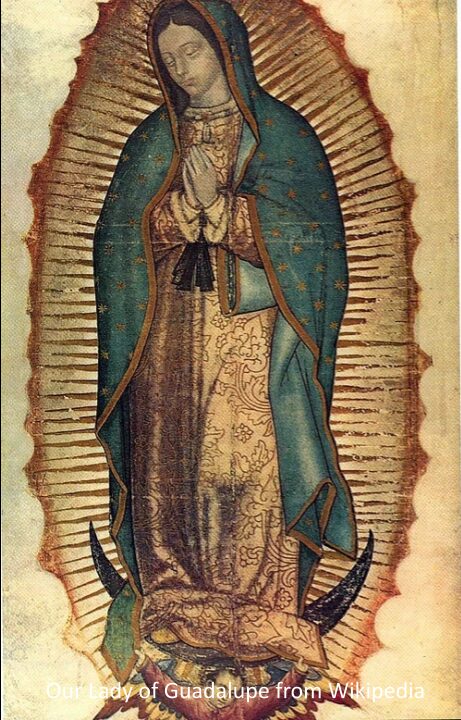
I chose this year to give you the picture of our Lady of Guadalupe, who’s actually quite ornate because she’s an icon for worship. But Mary was living through a time that was not a good time for the Jewish people. They were under Roman oppression. Rome was taxing them into poverty. They had soldiers who were not kind to them, and the people were afraid. The people were really afraid.
And yet, to this young teenager, God comes and says, “Do not be afraid for God is doing a new thing, and you will have a child, and that child will become the savior of the world and will change everything.” In Luke 1:52, Mary says, “He has brought down the powerful from their thrones and lifted up the lowly.”
It’s very much a justice-oriented piece. We say that we are about social justice. We wanna be compassionate and empathetic. Our God is compassionate. Our God cares about those who feel left out at the margins. Those for whom maybe it’s a health issue, maybe it’s a family issue, maybe it’s a relationship issue, maybe it’s an economic issue. Whatever it is that’s going on, God cares. God asks us, like Mary, to just hold a space.
Our job in Advent is to watch and wait. It’s not a passive wait. It’s not that we’ll just go back to bed and then, when something happens, we’ll get up. It is a, we’re paying attention, waiting. It’s a waiting with attention, with focus. What is God doing? What do we see happening around us? What are the graces that we are given for the cashier who is kind, who’s actually happy to be working because that means they’re gonna be able to pay their bills this week? Can we find that grace and patience for the grumpy customer in front of us, who we wish would just go away? Or maybe if we see them, then when we get to the cashier, maybe we will be kinder. How can we affect those around us in ways that bring more hope, peace, love, and joy?
Well, today we are focused on the joy, and I called this sermon Singing Out Our Joy.
Even Isaiah 35 is written like a song. It’s very lyrical, so now I’m gonna invite you to sing again, but this time we’re gonna sing another song that you know well, which is called Give Thanks. And I want you to pay attention to these words too, because I think they also support Mary’s song.
Give thanks with a grateful heart Give thanks to the Holy One Give thanks because He’s given Jesus Christ, His Son
Give thanks with a grateful heart Give thanks to the Holy One Give thanks because He’s given Jesus Christ, His Son
And now let the weak say, “I am strong” Let the poor say, “I am rich” Because of what the Lord has done for us
And now let the weak say, “I am strong” Let the poor say, “I am rich” Because of what the Lord has done for us
This is not the end. God is still at work in our world and bringing about new life. We may be tottering, but all we need to do is to watch, wait, and be attentive to all that God is doing.
As I was thinking about these scriptures, Isaiah 41:8-14 & Luke 19:1-10, and thinking about where we are. We have our annual meeting next week, and we have some big decisions to make.
I was struck by this idea of risk and the question of What are we willing to risk? We are living through what I have heard most of this year, called unprecedented times. That seems to be a buzzword this year. Unprecedented. They certainly are challenging, and they can even be scary. When we get scared, we have this tendency to circle the wagons and look inward and only focus on our own needs rather than seeing the needs of others.
I think there’s a really strong temptation right now to do that, but we’re also living through a time where we need, more than any other time, to stand for something. Because if we don’t stand for anything, it’s that quote I’ve repeated the past two weeks, “not speaking is to speak.” If you don’t stand for anything, then you literally stand for nothing.
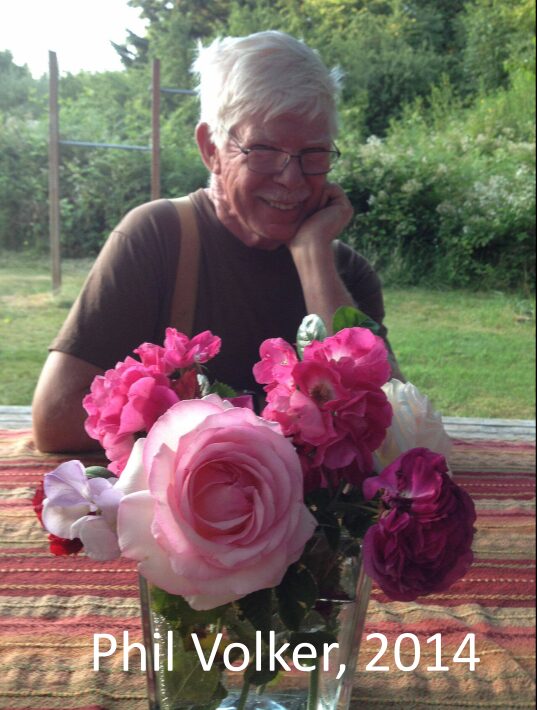
Surely we do have good news. I want to tell you about this man, Phil Volcker. He took his property and created a trail on which he walked 909 laps, which equaled the 500 miles of the El Camino de Santiago. Now, you might be wondering why in the world would he do that? Why not just go walk the El Camino?
Phil had colon cancer, which meant he needed to be near his doctors, and he wasn’t willing to just take the treatments and sit and wait it out. He wanted to be active. He wanted to find hope. So, he walked his trail, he walked his Camino in his own way, and he invited others to walk with him. One of the things that people do when they walk the El Camino is that they keep a journal and they write down each day what happened, what they saw, and who they encountered.
Phil journaled about every lap he took around his property, and he invited people to walk with him. In the process of that. He opened himself up to God ’cause he was not a person of faith. But in the process of the walking, which is what often happens to people on the El Camino, through the process of the walking, the showing up and being present to nature and to others, he found God. God touched his heart, moved him, and gave him hope,
He survived. In fact, he hated the phrase fighting or battling cancer. He said he was dancing with cancer. I’m not sure how many of us who would be in that position could say that. But to have that confidence that he would not be alone.
Our first scripture, Isaiah 41:8-14, is considered to be Second Isaiah.
The first 40 chapters are all about everything that Israel’s done wrong. Now this, and I don’t remember where it changes, but this set of chapters was written later to the Jewish people in exile.
This was written after the Babylonians had come in, they had destroyed Jerusalem, and they had taken the Jews away. They’ve taken them off to Babylon. They feel distant. They feel like they’ve lost their God because they thought God was in the temple in Jerusalem. Now, they don’t have God, they don’t have their land. They don’t have their community. They don’t have anything. Yet to those people who thought they had nothing, God sent a prophet. We don’t think this is actually the same person, which is why it’s called Second Isaiah, but it was a person who wrote under Isaiah’s name to bring comfort.
In this scripture, it says, “Do Not Fear” twice. Even though everything looks like it’s going hell in a hand basket, right? That’s our phrase. We think everything’s falling apart, and we don’t know what’s gonna happen, and we’re scared. God comes and says. Do not fear. Do not be afraid. That is the most repeated phrase in the Bible, whether it’s fear not, or do not fear, or do not be afraid.
God wants us to have that hope. It’s not about an easy life. It’s the hope that Phil had while dealing with colon cancer. It’s the hope that we can have as people of faith.
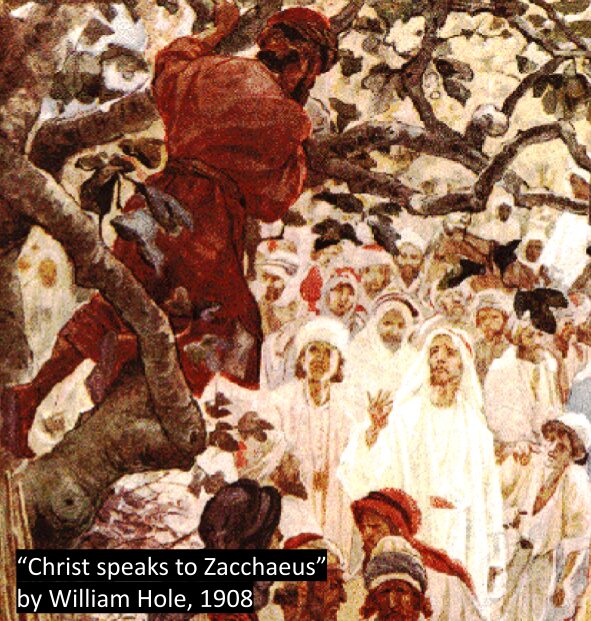
I think it’s a hope that Zacchaeus had. Zacchaeus is an interesting character. We know some things about Zacchaeus. Luke 9:1-10 tells us he was the chief tax collector. That is significant. We know that he was small in stature, so seeing Jesus in the midst of a crowd was problematic for him. He goes up into the tree. But I wanna suggest this isn’t in the text, but I think that there was within Zacchaeus a longing, or maybe there was this sense that he wasn’t living the way he was supposed to live.
I was walking with some friends the other day, and one said, “You know, it’s like there’s this line that we have inside of us that tells us whether we are living with integrity or not. Are we willing to cross that line? And at what point, at what point do we lose our integrity?” I wonder if Zacchaeus was wondering about that.
The fact that he was a tax collector at that time puts him in that category for the Pharisees of tax collectors and sinners. People who are doing everything wrong. The people you do not wanna associate with are tax collectors and sinners. We don’t talk to them. They were ostracized. Nobody wanted to be around them. As a tax collector, Rome told each tax collector how much they wanted from each district. But the tax collector was free to add their percentage on top. Think pyramid scheme, the top tax collector could add his percentage to all of the tax collectors below him. So he was making some money, but there must have been something within him that was unsettled or discontent. Or else he wouldn’t have been curious about who this Jesus is who brings hope, who helps people know that there is such a thing as forgiveness.
So, he came and saw, and Jesus saw him. And just like Jesus reaches out to all of the other people who’ve been pushed aside and told that they are sinners and unwelcome, Jesus goes to him and says, I’m coming to your house. We’re gonna have dinner, because, as the Pharisees often blamed Jesus for, he ate with sinners and tax collectors. That’s who he was. Because he believed in the community. He didn’t believe in shutting people out. He believed in bringing people together, in helping them, healing them, and giving them hope again. He believed in sharing the good news that they don’t need to be afraid because God is with them. The words from Isaiah, “For I am your God; I strengthen you and I help you.”
Zacchaeus has a major transformation. Luke 19:8, “Zacchaeus stood there and said to the Lord, “Look, half of my possessions, Lord, I will give to the poor, and if I have defrauded anyone of anything, I will pay back four times as much.” That was the thing about tax collectors, they were known for the percentage they wanted for defrauding people. He was willing to pay back the people because he realized it’s not about him, it’s about the needs of others.
How often do we forget to look out for the needs of others?
We’re scared, and so we turn inward. Because we have to protect ourselves, whereas what Jesus calls us to be is looking out for those who need us to say, “You belong, you are loved, and God is with you too.”
Friday was the National Prayer Breakfast, and they met at Shady Maple, and they talked about how blessed they are, and filled their bellies. It’s all you can eat. But instead, I chose to go to St. John’s, where POWER Interfaith had a simple prayer service where we prayed for the earth and for everyone to have what they needed, that no one would go hungry, that no one would feel left out, and that all would know that they are within the love and forgiveness or mercy of God.
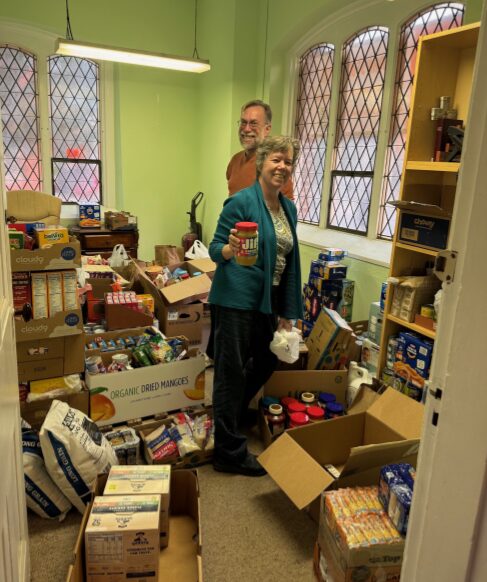
We collected food for 12 hours. It was from 7 AM to 7 PM, and during that time, during my shift, I had two people who showed up with food. This is a picture of all the food that was brought in. Three families came looking for food because they said we don’t have anything, and they all left with a bag of groceries.
At St. John’s, even though their food bank is only open two days a week, if someone comes, they believe in giving everyone food. Which was always our rule, too. If you came when we had our food bank here, you got food. Now we send our food donations to Landisville at the Hempfield Community Food Bank.
Five people handed me cash, and I had $45 in an hour of standing at the corner of Chestnut Mulberry. Some of you brought in food this past week, so we took three bins and a box of food. I parked in the parking lot and said, “Can I get some help? I have bins of food.” Four people showed up, unloaded my bins of food, and gave me my bins back.
That’s what it means to say it’s not just about me. That’s about choosing life. It’s about choosing life in every moment of every day. We have that choice. Do we wanna shut down and isolate? Or do we wanna be part of growing the community, of helping others know about the love and presence of Jesus? Can we bring the light of Christ, which is within each of us, to others so that we can bring light to their darkness? Can we bring light and love everywhere we go?
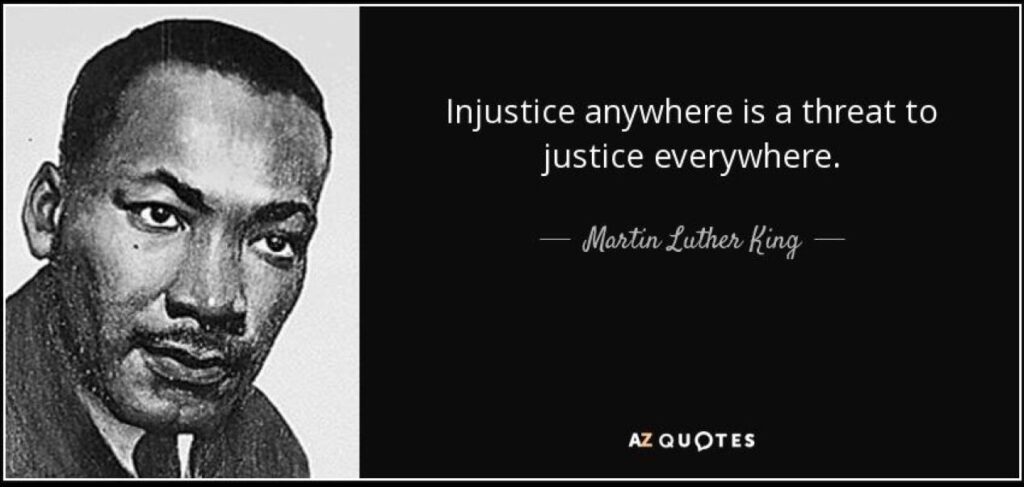
On April 16th of 1963, the Reverend Dr. Martin Luther King Jr. was in jail in Birmingham, and he wrote a letter to his fellow clergy colleagues, which became famous, in it he wrote that there were words said to him that what he was doing was unwise and untimely. Dr. King argued in his letter that nonviolent direction and direct action were necessary to confront unjust laws and injustice. He also expressed his disappointment with his white friends who seem to be complicit. While others around them, particularly in the black community, were being hurt. He argued that the fight for justice is a moral responsibility.
Now, why am I talking about Dr. King?
Well, I want to argue that this moment that King had with his fellow clergymen was the same kind of moment that Jesus had in the synagogue with those Synagogue leaders.
Let’s set the scene a little bit. Our scripture today, Luke 4:14-21, begins by telling us that Jesus goes back to Nazareth, his hometown, where he’s known. He’s done the wedding at Cana where he changed the six stone jars of water into wine and he’s been teaching at other synagogues in the Galilean region. And now he’s come to Nazareth.
I don’t know what you remember about Nazareth. I’ve talked about it being like the hill country or “out in the sticks”. One of the pieces that came out in my research for this sermon was that Nazareth actually sits on a hill, and it looks out on a plain, and in that plain was the town of Sephoras.
The significance of that is that when Herod the Great was the Roman emperor, that was Herod’s capital city. When Herod died, there was a Jewish revolt and they burned and looted this city, trying to take it into ruins, essentially. With Herod’s death, Herod’s son Antipas came into power and he rounded up all the Jewish people and enslaved them in retribution for what they had done. He then went on to rebuild the city and called it Autocratoris, meaning belonging to the emperor.
These people in Nazareth watched all of this happening. Jesus and his carpenter father, Joseph, may have even been involved in rebuilding the city. But it was very much clear that that was the empire, and that they could see the empire. We have to remember that what the empire did was to look for every means it could to get money from the people.
First of all, I mean that they could live lavishly, but it’s more than that. One of the ways empires do control people is by taking money from them, and by keeping the people poor, they have less ability to rise up against the empire.
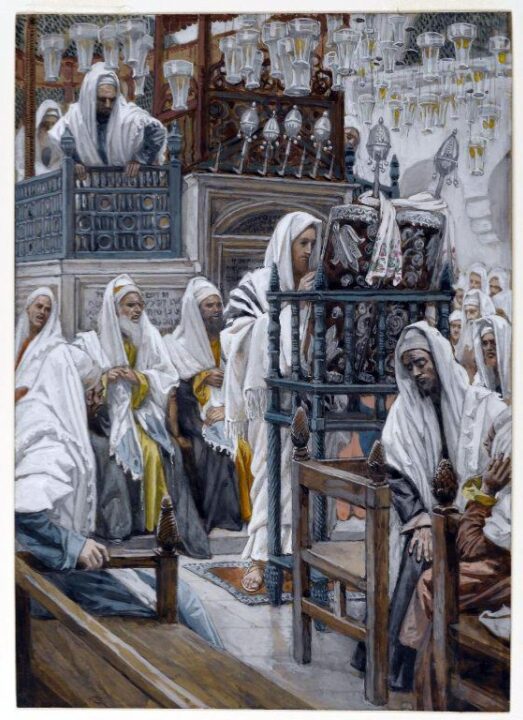
With that as a backdrop, today’s scripture, Jesus walks into the synagoguein Nazareth.
He is handed a scroll. I think that’s interesting. He doesn’t ask which scroll he doesn’t ask for Isaiah, but they hand him Isaiah. What he reads is Isaiah 61. What he reads is the first verse and the beginning of the second verse, which is not a lot. So people would have asked, “Why did he stop there? Why didn’t he read the rest of it?”
“The spirit of the Lord is upon me because he has anointed me to bring good news to the poor. He has sent me to proclaim release to the captives. Remember what I told you about the history and recovery of sight to the blind to set free those who are oppressed.” – Isaiah 61
For those of you who were following what did you notice? He added something that’s not in Isaiah. Sight. Recovery of sight to the blind is not in Isaiah. So, then that means we need to ask the question, why did Jesus add that?
It appears that it is a foreshadowing of what’s going to happen and that people are going to see the difference Jesus makes in the town of Nazareth and in other towns. They’re going to see how Jesus has been anointed because Jesus is going to do more than turn water into wine. It’s gonna be a lot more happening.
By what he says, he is also calling out the synagogue leaders. This is where I’m putting it with King’s letter.
He’s calling out the synagogue leaders who were not caring for the poor, who were not working for the release of the imprisoned. Who were not trying to help the oppressed, but who had taken on the Roman system and learned ways to also profit from the people’s thinking of Jesus.
He overturned the tables and the money changers because they were charging an interest. They were taking extra money, their extra cut, just like the tax collectors and all the other ways that Rome could get money out of people. The synagogue had learned it too and Jesus was challenging them. Yes, Jesus was proclaiming what his ministry would be about. But, he’s also saying you need to wake up and pay attention here because stuff’s happening.
Jesus is also going to be talking about the gifts that we can give. There might be a cost, but not a price tag. It’s things that you can’t buy, no matter how much money you have.
These were just some that came to my mind. Amazon might try its best to have everything possible for us to buy with a click. But they don’t sell wisdom or compassion. Energy drinks or energy pills, but not the energy to do good. They don’t sell hope. It can’t be bought in a store. It’s something that comes from within.
As I was thinking about that, I thought about the gifts of the spirit from Galatians. Right after Galatians lines out all the gifts of the spirit, which include patience, kindness, and humility, it says there is no law against such things. There’s no law against them, and there’s no price tag on them.
How might we be about sharing those things? In a couple more weeks, we will be asking you to look in your houses for those things you don’t need anymore, the clothing you don’t wear anymore, and things that you might be willing to let go of for our Annual Garage Sale. That doesn’t cost you money. It might cost you a memory. It might cost you a feeling, but it will not cost you cash to donate it to the yard sale.
In what ways can we be about helping other people and who are those people in our communities now that need help?
I’m not going to answer that question because I want you to sit with that. Who are the people who need help?
Our country’s changing. Our community’s changing. What I asked you on epiphany was about how you will be the light. How will you be a light in the world? How will you be a voice of love, hope, peace, and joy in this world? Because that’s who Jesus is calling us to be.
Jesus told the leaders in the synagogue that’s who he was going to be. He was going to be about making a difference in the lives of people who are hurting. That’s the call on us. The question is, will we have eyes to see? Will we have ears to hear?
On this second Sunday of Advent, we’re talking about waiting. I’m wondering, how well do you wait?
Think of the places and times you’ve had to wait. How good are you at that? At waiting in long lines? Waiting for news about a test? Waiting for something to happen? I know there’s quite a few young people among us who are waiting for a special day this month.
We all wait differently, but I think our ability to wait has a lot to do with how much patience we have. When I was thinking about patience, I realized that patience is directly correlated with peace. It’s very difficult to find peace if one is not patient. They go together.
One of the paradoxes of Christianity is that we believe Christ has been born and is the Messiah, and yet we don’t fully realize what that means.
Because we haven’t as a world found peace. We’re in this in between space. This paradox is actually the tension between Christianity and Judaism, because we say the Messiah has come. They say, if the Messiah had come, there would not be injustice anymore. There would not be hatred. There would be peace on earth. We have this tension there. What does this peace on earth look like? How do we make that come about?
One of the scriptures that is used this Sunday is about John and the Baptist. One of the pieces that he talks about with the messiah coming is that is that “Every valley shall be lifted up and every mountain and hill made low; the uneven ground shall become level and the rough places a plane” – Isaiah 40:4.
It’s this evening out that is supposed to happen with the messianic age. We don’t have that yet. We’re still on our way towards that.
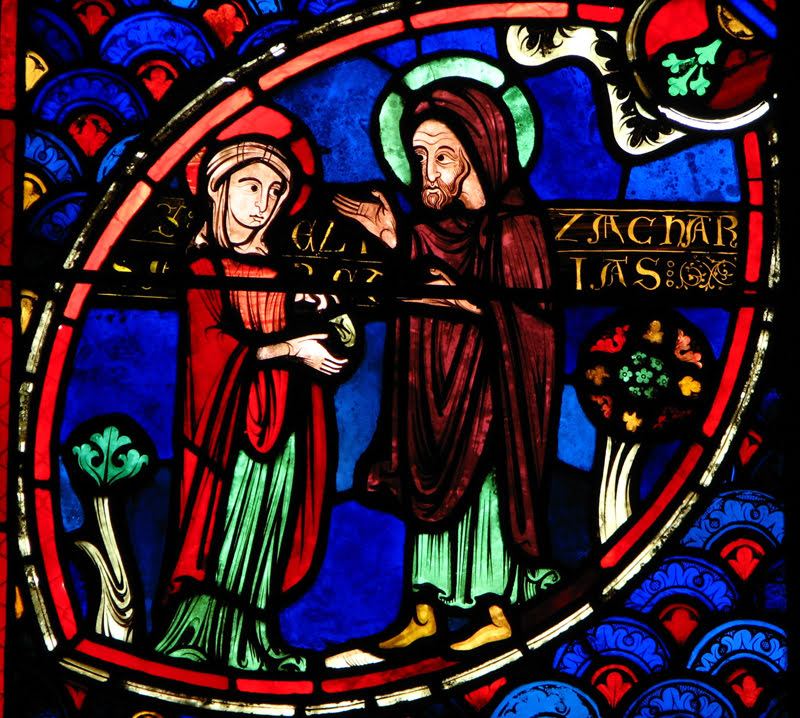
While we are in this time of waiting, let’s talk about Zachariah a little bit. I think Zachariah and Elizabeth can be a model for us on how it is to wait.
When I think about Zachariah and Elizabeth, for me, it brings up Abraham and Sarah, an older couple who thought that they were beyond childbearing, who suddenly are going to bear a child, because of what God is doing. God is in the midst of this. And he can’t even talk about it. He has to wait in silence, so to speak.
He is able to write, because I wondered about that. I thought, well, can’t he just write this all down? It appears that he doesn’t write anything down until John is born. He writes down his name will be John and then his speech is returned.
But can you imagine having that kind of wonderful news? Maybe a little scary too, right? Could be a little fear in there. Some of us in here are beyond childbearing years. How about if somebody told you you were going to have a child? I enjoy having that grandson that I love to death and then I give him back to his mother.
That’s where they were. They were in this expectancy. Imagine it. This almost but not yet. The paradox.
Then we have Romans 12:18-27. ‘Let love be genuine; hate what is evil; hold fast to what is good; 10 love one another with mutual affection; outdo one another in showing honor. 11 Do not lag in zeal; be ardent in spirit; serve the Lord. 12 Rejoice in hope; be patient in affliction; persevere in prayer. 13 Contribute to the needs of the saints; pursue hospitality to strangers. 14 Bless those who persecute you; bless and do not curse them. 15 Rejoice with those who rejoice; weep with those who weep. 16 Live in harmony with one another; do not be arrogant, but associate with the lowly; do not claim to be wiser than you are. 17 Do not repay anyone evil for evil, but take thought for what is noble in the sight of all. 18 If it is possible, so far as it depends on you, live peaceably with all.”
It’s so important that I would challenge you to read it every single day this week. Just keep reading it every day because it is the heart of Christianity. It’s about focusing on love and how can we love others in a better way.
How do we do that? It starts with let love be genuine. It’s not about putting on a mask and being kind. It’s about really being kind, wanting to do that from your heart and reminding yourself each day, what that’s about.
The part we didn’t read the next verse, Romans 12:19, goes into “vengeance is mine, I will repay, says the Lord.” God will take care of all the other stuff. Our role is to love others, to not get caught up in our stuff, so that we can see the needs of others.
The words we used in raising our children were helpful, thoughtful, and kind. That was their goal. Every day you needed to be helpful, thoughtful, and kind. If we just took that to heart, we would be closer. But I want to encourage you to sit with that.
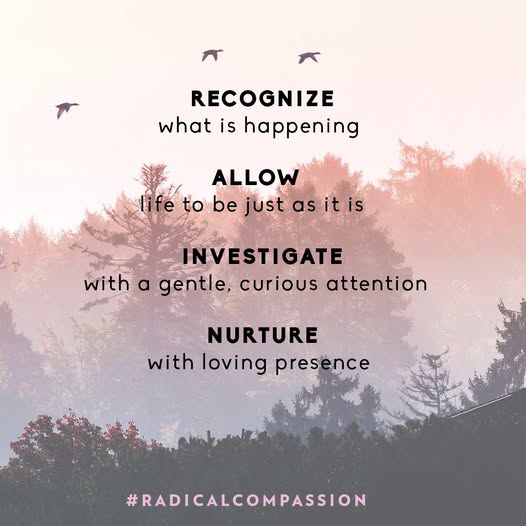
I know that right now life is difficult. There’s a lot of us that are grieving for many different reasons that life just feels overwhelming. So, I want to share with you this meditation practice. It’s called RAIN.
RAIN is an acronym and it was created by Tara Brock. These are the four steps.
Recognize: What’s going on? Recognize the situation and how you are reacting to it. Recognize, look at your feelings. When something happens, notice your body. Are you clenching up? Do you feel all jittery? What’s happening? Just notice it because in noticing it, it gives you some space to then allow it.
Allow: This is the let it be and let God by allowing it, noticing it and allowing it. We give room for the spirit and the spirit has space and time to work with us. There’s another phrase that says, what we resist persists. So don’t resist it.
Investigate: Be curious, go for it. That will take you from a place of maybe anger or frustration. Be curious, go into that wonder. What’s this about? Why am I feeling like this? What’s going on here?
Nurture: Be kind to yourself too. Give yourself grace. Forgive yourself. Allow God to speak to your heart. Listen to your heart. Because that divine, I often talk about the little bit of the divine that is in each of us. We can learn to hear it. When we practice listening to it. Let’s practice that. Let’s work on those muscles.
When I was preparing last week’s sermon, there was a lot about the muscle of hope. Well, I think there’s a muscle here too, because we only experience peace when we practice peace. We will only find it elsewhere when we have it first within us. If we go looking for peace outside of us. We’re not going to find it.
It has to start here.
So I encourage you to think about that this week. Pay attention to how you’re feeling in the different situations. Allow God and the spirit within you to take care of you so that you can be there for others.
This summer season, we are focused on the environment. This is a part of our mission and vision to be advocates for the environment.
So we are looking at the scriptures with that lens. That is what, for me, keeps the scriptures alive, it’s all about which lens do you look at it through. So looking at this through the environmental lens this season.
I bring you to think about our world environmentally. Naturally. There are a lot of challenges in front of us.
We know that there is pollution in the air and in the water. We may not see the pollution in Lancaster. It’s not the same as the smog of the 70s, at least not here. But, I hear all the time about the quality of our air is not good.
That’s specifically noted by people who have breathing issues. We’re in some kind of a valley, where a lot of things reside in the air. Then there’s the water. I talked two weeks ago about the pollution in the oceans, but we know that our streams are polluted.
We are part of the Interfaith Partnership for the Chesapeake because we are trying to make sure that the bay and the wildlife there survives and thrives. We don’t want it just to survive. That is a food source for us. Even our little Conestoga is on the list for Pennsylvania of streams that they are watching for the quality of the water, which means our Brubaker Run is, as it feeds into the little Conestoga.
So, it comes literally to our backyard that we need to be thinking about all of these things. The weather patterns are changing. That is going to affect our food supply, and that will create even more challenges for us.
So we hear scripture, “For I am about to create new heavens and a new earth.” – Isaiah 65:17
We hear God is creating a new earth. Thank you, Jesus, you saved us again. And we are all in. Until we realize that God’s doing that in God’s way and has maybe, I believe, listened to our prayers, taken them into consideration, but is working from God’s view, not ours. There is a very true statement that says no one likes change except the change that they want. If the change is our idea, we are all in. But if it’s someone else’s idea, well, maybe not. Not so sure. The problem is, we don’t agree on the changes.
Another thing to remind ourselves of is that throughout the Bible, God favors the poor. The poor, the oppressed, the marginalized. The language of the Bible is often the widow, the orphan, the one on the outside who is starving, who doesn’t have adequate shelter, clothing, food. I’m gonna go out on a limb, but I don’t think there’s anybody in this space who’s food insecure. I think we’re all gonna know where at least one of our meals is coming from today. But there are people in our world who are.
So, we have to. recognize that the changes God brings about may not necessarily benefit us. That’s something to sit with. I love this scripture because it reminds us of Isaiah 11, the peaceable kingdom scripture. In Isaiah 11, it says that the lion and the lamb will live, will lie down with each other, meaning they will live in harmony. It goes on, it’s got quite a list of all the kinds of things. It ends with that verse about the child and the hole of the asp, and you’re going, a kid and a snake, really? But it’s this idea of all of God’s creation living in harmony.
This scripture today ended with this motif also, with “The wolf and the lamb shall feed together” – Isaiah 65:25. Predator and prey no longer in that adverse relationship, but finding food together.
Actually, what I found interesting, and I’ll go back and read that to you, is that the three instances are all about what they eat. It says, “The wolf and the lamb shall feed together. The lion shall eat straw like the ox; but the serpent, its food shall be dust! – Isaiah 65:25. It’s all about eating.
I’m not going to deal with the serpent and why the serpent’s going to eat dust. But you know what that other part says? It says we ought to be vegetarians. Now I’ve heard all of my life that I should eat more vegetables. Isaiah is telling us the same thing. Do you know what? If we ate more vegetables, it’s better for our planet. Because the impact on our planet of raising the meat, particularly the red meat, and I am the first one to sign up for a good burger or a good steak, please hear that. But I know that that has an adverse effect on our planet. At least the way we do our corporate growing and raising of cattle. The grass fed steers and cattle that’s a different story. That’s healthier.
But, we have to look at that. We have to think about it. If we all ate vegetables, we could grow our own food. Also helpful to the planet when we’re not trucking in stuff from all over the place. But we like to eat strawberries all year long, and they only grow for three weeks in May & June. Did you notice it was earlier this year? The strawberry festivals used to be mid to late June. Well, they’re pretty much over now. That’s that climate shifting. That’s the weather pattern shifting. That’s the temperature change. It’s going to affect our food.
I’m going to encourage you, hopefully at the end of this sermon to think about and to watch for where God is doing something different in our world.
But one of the good articles that I heard recently was Krista Tippett’s “On Being” radio show. She had two environmentalists on. They’re noticing that the environment has more elasticity and the ability to adapt than we realized. That’s good news. That’s really good news. But it also takes a long time. So that does not take us off the hook for changing how we live.
In fact, a friend of mine showed me a picture of a turtle who climbed a curb. I would not have guessed that a turtle could do that. That it walked across the road, hit a curb, and it actually could go up the curb and onto the sidewalk without ending up on its back and being stuck. It is changing, but it takes time.
Last weekend, Mark Achtermann and I were at the Penn Central Conference Annual Meeting, up at the Penn Stater.
Which was both our annual meeting and the spring meeting of the possible future Keystone Conference, which is that our four conferences are looking to go together to be one.
It was a wonderful experience. When you put 600 people together in worship, the spirit is palpable. You could feel it in the song, in the spoken word, in being together. We talked about the changes, how this change will affect us. Pennsylvania is currently divided into four sections for the United Church of Christ, and we would all become one conference for the United Church of Christ, it means change.
We talked about the joys of that and the challenges. Fortunately, we spent some time not just naming the challenges, but thinking through what we need to do to address those challenges, as opposed with just saying, “here’s the list of cons. Here’s why we shouldn’t do it.” No, if we’re going to do it, then these things also need to happen to address this.
It was powerful. It was very enlightening and uplifting. No decision was made, in case you’re wondering about that. The decision will be made on November 9th at a fall meeting. That’s when our delegates go to the meeting. I don’t know if it’s virtual or in person yet, I don’t think they decided that. But, we have time. We have time to think about it. We have time to make good choices. For more information visit www.FEMA.gov.
The thing that was really striking to me is their motto. “Together we are stronger.”
That’s where we all came down to. That together, we as the four congregate conferences becoming one conference are stronger.
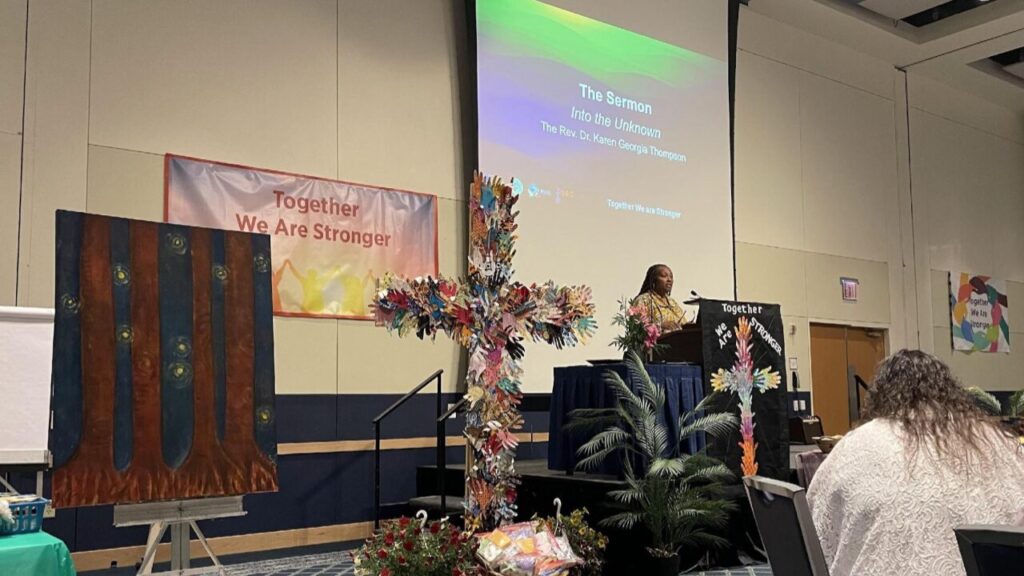
This was Sunday morning worship, last Sunday, and the person preaching up on the podium was the Reverend Dr. Karen Georgia Thompson, who is our General Minister and President of the United Church of Christ, was there to do the sermon. It’s important for you to know what she said.
These are my short notes. She named that we are a denomination of diversities, not just a diversity. It’s not just ethnic diversity or racial diversity, but there’s a a lot of ways that we are different, including, and this might surprise you, we have 30 languages within the United Church of Christ. 30 languages. 30 languages spoken, 29 different languages written. Do you know what the one language that is spoken and not written in the United Church of Christ is? This is fun! You are there. It’s Pennsylvania Dutch. We are the one language that is spoken in our denomination but not written.
Fun fact, We are not a binary political system. We are a covenant of inclusivity and love. I think that was the most important statement she made. We are a covenant of inclusivity and love.
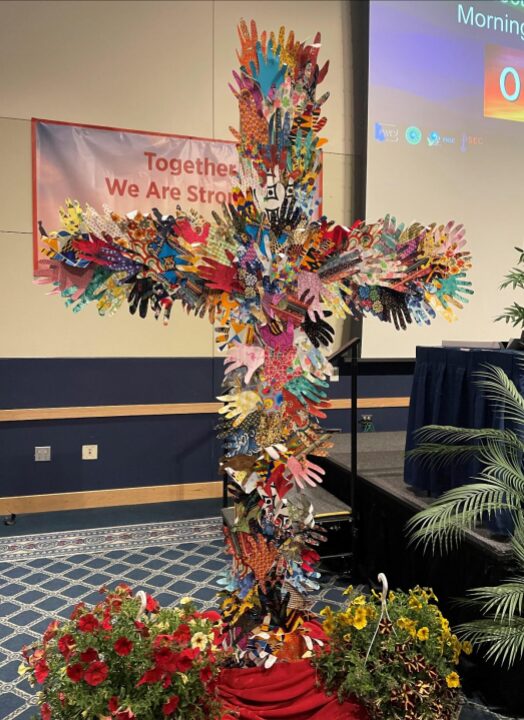
In the picture to the right is a cross that we made. Each person was asked to draw their hand on a piece of fabric and they covered this cross. They put a bunch of them on a wall. We actually took a hand to bring home with us and pray for that person. But it’s this idea of together we are stronger and that is true for us as a congregation also.
We are also stronger together. We are stronger together. And together, we can make a greater impact on our environment. I know that there are environmentally minded people in our congregation, people who recycle faithfully, people who may drive hybrid cars or some of you may even have electric cars to make sure that you’re being responsible in that way.
But together, we have the ability to make a statement to our community about how much the environment matters to us.
Our park does make part of that statement. But a lot of people don’t know about our park. We can be more vigilant about what we do, how we live together. That’s what I want the environmental team to be looking at. So if you signed up for that, that’s where we’re headed. We want to look at what things could we do differently here that would be more environmentally friendly or environmentally responsible.
It’s shocking to me when I see the pictures that come out of Ukraine or Gaza. When I think about environmentally friendly, caring for the environment, war is not. Right? And I was stuck on the phrase, Choose War No More. But, what that did was that led me back to Isaiah 2:11, “Beat swords into plowshares. and spears into pruning hooks.”
We need to change our mindset because wars and that type of aggression are not helping us either. We need to learn how to live together, to respect one another, to respect one another’s boundaries, that goes for both sides, Hamas and Israel.
Then we can be the people of God and create the peaceable kingdom because we are made in God’s image.May it be so, Amen.
During the Bosnian War back in the late 90s, the Serbs had completely surrounded Sarajevo and shells and bombs were being dropped. It was dangerous to go out into the street and yet in the middle of that violence, the symphony players, the orchestra players came out to the middle of the square and started playing music.
They started playing because they needed to give the people hope. Hope that violence didn’t have the last say. Hope that there is another day to come.
I didn’t find any pictures of that, but I found this picture from 2015, where the Baltimore Symphony came out during riots in the city. Again, they tried to bring the people hope. That we can live a different way, we can make different choices, and goodness and love can win.
That’s our story. That’s the Christian story. That goodness and love will win the day, rather than violence.
In the midst of everything that’s going on, we can be overcome by our fears. But we have to remember that we worship a God that is bigger than us, that is bigger than our fear, that is bigger than our issues, and who is calling us to be part of the solution rather than the problem.
We are called to see how our brothers and sisters, our siblings, are struggling. Those who are being discriminated against because of the color of their skin, or their language, or their sexual orientation, or their disability. We need to see how they are being hurt. And we need to be part of the solution to making this a better world for everyone.
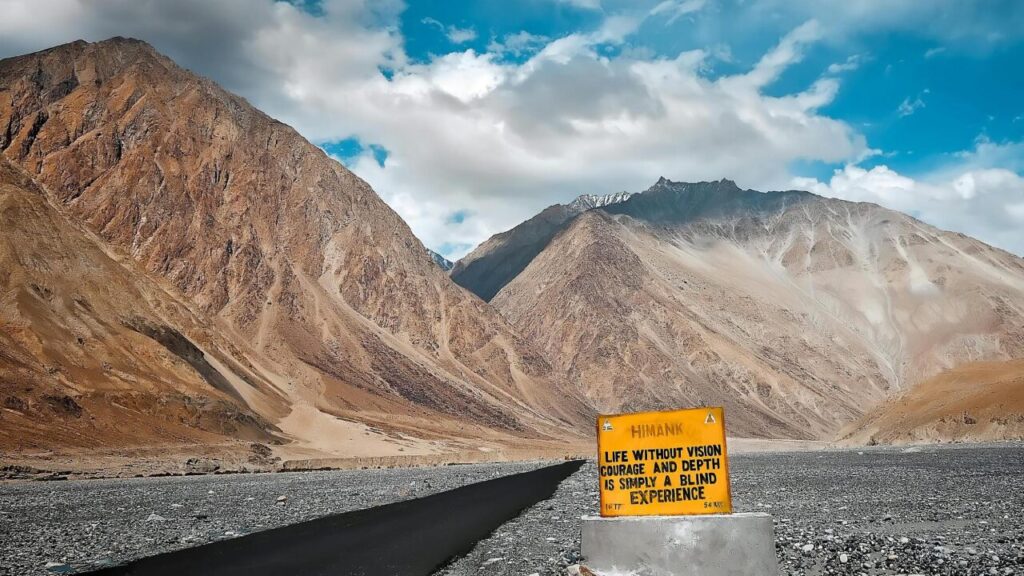
Life Without Vision, Courage, and Depth is simply a bland experience.
The story that I shared about Isaiah (Isaiah 6:1-8) is his call story. Isaiah had a vision. This wasn’t something that physically happened. He said it was like a dream, but he wasn’t sleeping. So, we don’t think that an actual hot coal touched his lips or burned his lips. But, in it God qualified him to be a prophet.
There was nothing about Isaiah that made him special in, that’s why I shared that reading of it because I loved the way it brought in so much more of the story, including how unprepared Isaiah felt because God qualifies. the called. He doesn’t call the qualified. Hear that again.
God qualifies the called. He doesn’t call the qualified.
So all of the things that we are called to do, we may not feel prepared to do. We may not feel like we’re ready to do it or qualified, or worthy, but God calls us anyway.
God will give us what we need to do the task we’re called to do. God will qualify us. So, when our fears, like Isaiah’s fears, of not being ready. Because I think that’s probably closer to the story. I don’t think anybody, when God calls, says “Yes! I was waiting for this! I’m perfect! You knew it!” Because that person’s not ready.
But that God comes to us and the only thing that fights our fear, is perfect love. That’s what God brings. Perfect love. Perfect love casts out all fear. That’s what we say. So, we allow that love. We have to accept that love. Because we have a choice there. That’s what makes it faith. We have a choice. We’re not forced to say yes to God. But God calls to us and looks for our yes, looks for us to turn to God and say, “help me, help me in this. I’m not ready to do this. I’m not prepared. Help me do this.” Then we will find the strength, the comfort, the courage to do things that we never thought we could do, to go to uncomfortable places.
I talked again about the Trinity, and how you understand the Trinity.
I did have a nice Catholic diagram that was trying to say, God is this and is not this, and I read a piece by a colleague that said, in seminary he tried to define the Trinity and his professor said, “In 2,000 years no one’s defined the Trinity, so how do you think you’re going to do it in a paper?”
I thought, how do I think I’m going to do it in a sermon? But God can be experienced in so many ways. Some people experience the Creator God.
This is the Milky Way over Colorado. I got permission from God. That picture showed up on my Google Chromecast and I was like, “I love that picture.” That is a picture I can connect to. And he gave me permission to use it in worship.
You hear some people say this, that they connect to God when they’re in nature, when they’re out in the woods, at the beach. With their hands in the dirt, seeing the sights, being part of creation. Some of us really connect to God through the stories of Jesus. Through those stories that help us to know how to live.
Because that God with skin on did a lot of the same things we do. There were lots of issues with other people that he walked into and helped. We can walk into those issues too and help others. Then others prefer the Spirit, divine, holy one, higher power. The words you use are not as important as your ability to connect with God in some way, in whatever way works best for you.
That’s how we know this. The idea of the Trinity didn’t come out of the Bible. The closest we have is, is Matthew 28:19, where Jesus says in the Great Commission, “Go out and baptize in the name of the Father and the Son and the Holy Spirit.” We call that a Trinity.
What I want you to do this week is listen deeply within yourself to what is God saying to you?
What are you hearing in your innermost self? What’s truest in your heart? I use the words of the still small voice inside. If that doesn’t relate to you, then listen to the people around you. Where do you hear God? Listen there, in whatever way works for you, to what is God asking you to be about. Because every one of us has a purpose. We are still called to love.
If nothing else, we’re called to let go of those boxes that we try to put people in. Because if we’re honest, none of us fits in a box. There is no one that a box fits perfectly. We’re complex creatures and we have to learn to love one another and we have to learn to love others.
So I’m wondering, what is God calling you to do today? What is God calling you to be about? There’s good work to be done in the world.
I’ve been promoting the education piece, Pennsylvania is at an intense unique point in time where we are going to change the way we fund Pennsylvania public education. We have to. The way we’ve been doing it has been declared unconstitutional. They have to do something different. How they do it differently remains to be seen. But there’s some of us that are doing a 40 day flood to our legislators, saying “You’ve got to fix this. You can’t let this go on. The children in poorer school districts need a good education. They deserve it just as much as everyone else. So let’s fix the system.”
We also have a group that’s getting together that’s worried about homelessness or affordable housing and especially in Lancaster. I mean, we heard that’s a state issue. Affordable housing is an issue across the state. There’s all kinds of bills in Harrisburg right now to try to address it. But if affordable housing is the thing that keeps you up at night, then talk to me about that. Because I can help you get connected so your voice can make a difference.
Whatever it is. Everyone can do something because it can be as simple as a smile. It can be as simple as allowing someone else to be heard. So much of life is about recognizing and acknowledging one another.
Let us be about this very important work that God has put before us.