

We are well into the season of Epiphany, and the season of Epiphany is about revealing who Jesus is.
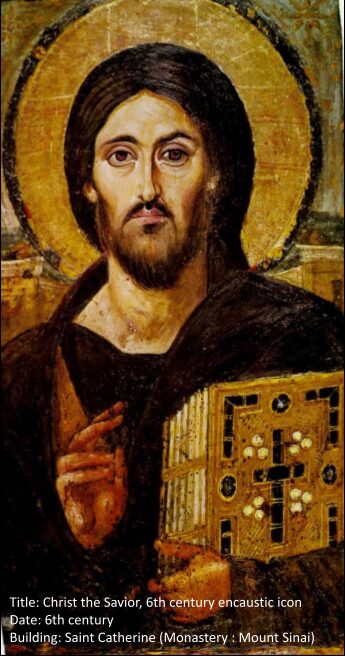
Since his conception, we’ve been getting signals. This is Matthew’s year, so the angel came, and we heard the story of the angel coming to Joseph and telling Joseph that this baby would be Emmanuel, God with us. Then at his birth, the angels declared, this is our savior, the Messiah, the Lord, and then the magi showed up. They came bearing gifts for this newborn king, this new ruler, this person who would become a shepherd of his people. At his baptism the Holy Spirit came down and declared, this is my beloved, my son.
Since then, we heard John declare who he was and point to him. “He is the one who comes after me, the straps of whose sandals I am not worthy to untie.” – John 1:27. Then we saw how he chose the people to follow him. All he said was, follow me.
Now, we come to the Beatitudes, and I think that we like to approach these as what they tell us about who we are to be, because we have an insatiable desire to be self-absorbed. We love ourselves, so it has to be about us, right? But what does it tell us about who Jesus was? And this may be a different road to get to the same place. But that’s the road I wanna take you on today. Because it’s supposed to reveal something about Jesus.
So who is Jesus? What does this tell us about Jesus?
Well, if we look really carefully. I tried to do a deep dive. I’ve had five weeks to prepare this sermon, not one, five. I don’t usually have that much time, but I did, so I did a deep dive on this, and this sermon contains all of these words that do not appear anywhere else. The words that are translated meek, hungering, merciful, pure peacemakers, having been persecuted, they shall be insulted. Those words aren’t anywhere else. It’s the only time they show up. Well, a couple of them show up in Luke’s Beatitudes, too. Other than that, they’re not in the Bible. So what does that say?
What that says to me is that these words and Jesus are unique, and it means that those first people, remember I told you that you are like those first people hearing it. Those people, I can imagine, said, What did he just say? Did he say what I think he just said? Because these weren’t words that were used all the time. They would have been shocked to hear these words because other people who stood up and professed to know things wanted to talk about power and control. That’s the empire, they’re about telling you what you can do, what you can’t do, and how you’re gonna do it. But that’s not what this says.
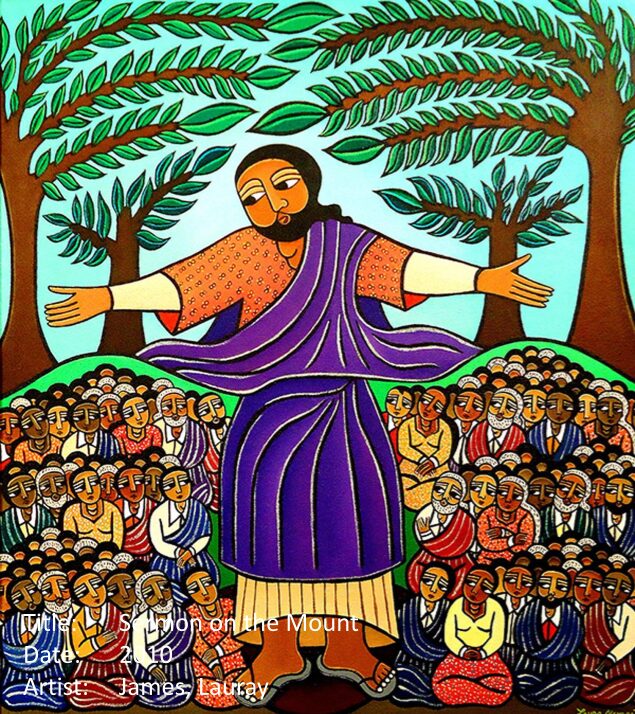
The second thing I noticed was this offered hope, both in the short term and the long term. Our scripture says “Blessed are the meek, for they will inherit the earth.“– Matthew 5:5, and they shall inherit the earth today and in the future. It’s both.
If we had read the verses right before this, they talk about how all the people were bringing their sick and infirm friends and relatives and themselves to Jesus because he was healing them. He was providing hope in the moment. Life was changing with him, and he was giving them this. Here’s your big word for the day: eschatological future hope that in the end they will be with God. They’ll be the ones in the kingdom of heaven.
The third thing it tells us is who Jesus cared about. He didn’t talk about the empire. That was the big thing about Jesus. That’s why Judas is scared. I’m frustrated with him when we get to Holy Week because he didn’t challenge Rome the way they wanted him to. Instead, he came to the people. He was there for the people who needed the help and the healing. This tells us that it wasn’t about the influencers of his time, but those who had been forgotten, ignored, and left behind. That’s who Jesus cared about. So, like I said, maybe a different road to the same destination.
That’s who we are to care about. Not necessarily who we are to be, but it’s who we are to care about. Who are the people in our community who are struggling right now, who are afraid? Terrified, even? He cared about those who wanted a different life, even if they didn’t know how to get there. There was hope in what he said, that this life that they had wasn’t the life that God had intended for them. That was good news. That is the good news, my friends, that this life that we live is not the way God intended for us to live. Even today, 2000 years later, we haven’t gotten it right yet. We still have much to learn.
This month is also the month that the inclusive church team wants us to focus on black history. So, I’m gonna try to do that.
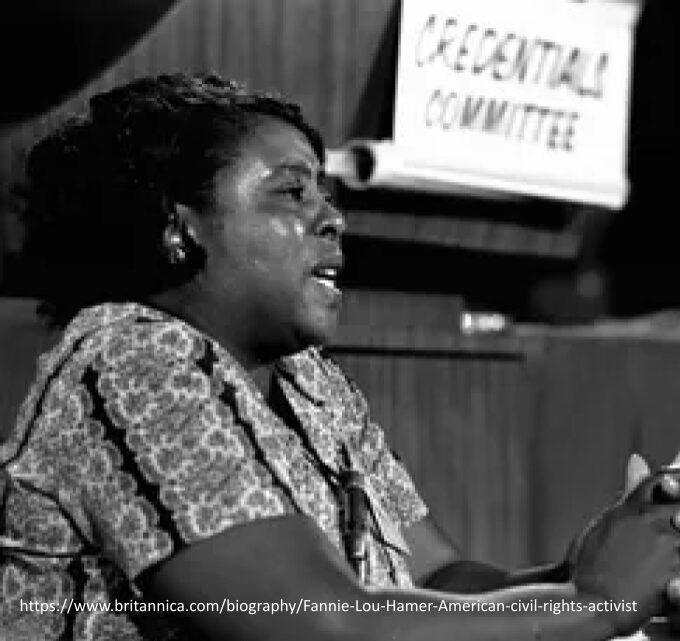
Today, I wanna talk to you about someone who I think lived the way Jesus wants us to live, and who cared about others, who cared about her people as a black American. Who cared about the suffering of others. Fannie Lou Hamer was a sharecropper in the early sixties, and she decided that she had every right to vote as everybody else, and so she went to register. She was beaten and imprisoned in terrificly horrible ways. She paid with her body for that. She was not killed, but she paid with her body
Then she continued the struggle. She co-founded in 1964, the Mississippi Freedom Democratic Party, and she went to the Democratic National Convention in 1964. I don’t know how many of you remember that. I was too young to remember that, but I read all about it. I’m gonna read more of this because I wanna make sure I get my facts straight.
She went there demanding integrated nominating committees and delegate committees. Her plea was so compelling, and frightened President Lyndon Johnson so much that he did a press conference. So that she wasn’t on the live tv, but her speech for those who heard it could not be quenched, and it was televised later. In 1968, her vision of racial equality in the delegation became real. Took some time, but became real. She also created the Freedom Farm Cooperative that helped other black farmers have a piece of property. As part of the cooperative, they got a piece of property, and they got a place to live. They got pigs to learn how to breed, raise, butcher, and sell, and become independent.
She was a force to be reckoned with, and you know what she’s most known for? She’s most known for her quote, I’m sick and tired of being sick and tired. That’s how we remember her. I’m glad to learn the rest. I’m glad I went looking for the rest of her story.
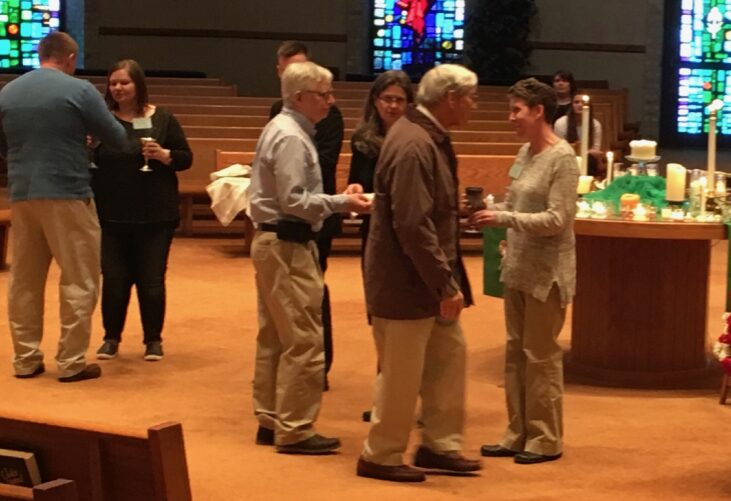
I put the picture of communion there because I knew it was communion Sunday. For me, it was the idea of the breaking of the bread, and the cup poured out for us that this is where we get to live our lives to do the hard work, because hard work is here. It’s not coming, it’s here.
We admit that we are all marred, scarred, and imperfect because we’re human. I’m sorry. I was wrong. I don’t know. I need help. Those are four statements that we need to use and own because we are living in a time when we cannot be silent, while those who are poor in spirit, mourning, and meek or those who are hungering and thirsting for justice, the merciful, the pure in heart and the peacemakers are becoming victims of hatred and violence, and we can’t just go along anymore.
So I also created cards for you that are on the high top with each of our congressmen’s names and telephone numbers. They need to hear from you. You need to tell them what you’re thinking and what you’re feeling about what you see in this country.
We need to figure out as a collective what we have to offer. One of the lessons that we got from the clergy in Minnesota was that we need to prepare before they arrive. We need to talk about what assets we have. What assets can our congregation give?
Is it that we can hold a large gathering and bring a lot of people together? We have space for a lot of people to gather. That may be our piece. There’s a prayer vigil that’s gonna start at Lancaster Friends, and maybe we wanna host one of those. Maybe we wanna send additional funds to the churches downtown. I’m thinking about St. John’s Episcopal because I know they do so much with the immigrant community in Lancaster. What is our peace to do? That’s something for us to, to really sit with and discern, but this is a time when we cannot be silent anymore. The white church cannot be silent now.
Next week I have invited Reverend Edward Bailey, who is retired, and he’s coming to have a conversation with us next week, because we’re gonna talk about. What do white people need to know about the black community in Lancaster? Because we don’t have the answers. We need to be listening, but this table makes all the difference. When we receive the bread and the cup, it gives us the strength, the comfort, the determination, the chutzpah, even to do what we didn’t think we could do.
We know that we couldn’t hang on that cross. We couldn’t pour out our blood, and we probably have a hard time or should drink the cup of forgiveness because we have not forgiven ourselves, let alone anyone else, but that is our challenge.
We come here and we gather because we need Jesus Christ. We need each other. And right now we need to be the beloved community.
May it be so. Amen.
Like this Sermon? Click Here to View More in this Series
Prefer to Listen to this Sermon? Click Here to Listen to the Being Apostles Podcast

