
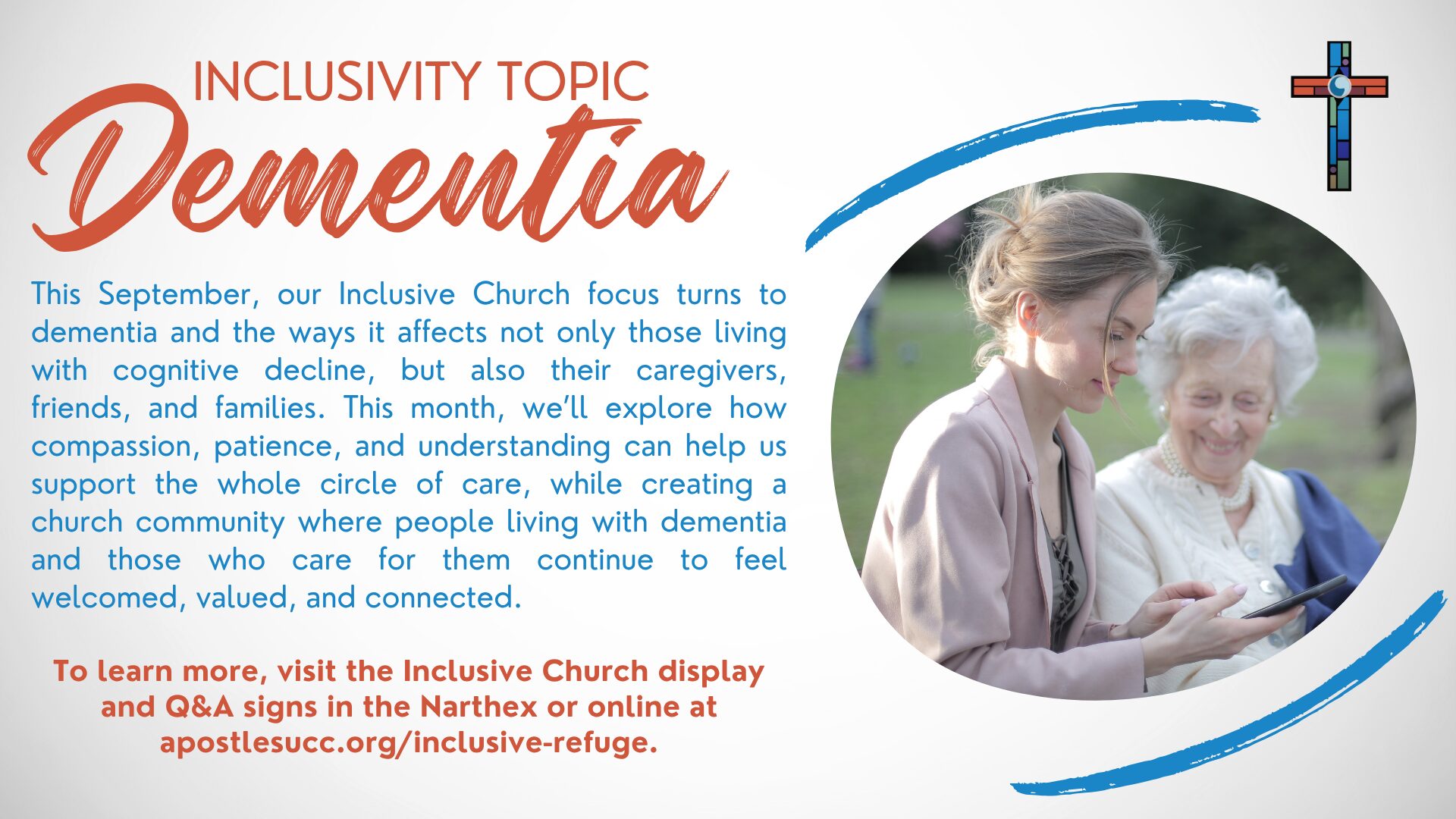
Dementia can change much more than memory.
It can affect how a person communicates, understands their surroundings, responds to others, and experiences everyday life. For families and caregivers, those changes can be difficult to understand and even harder to navigate.
One of the most important lessons caregivers often learn is that the person experiencing dementia is not choosing these changes. A misplaced item, a repeated question, a change in behavior, or an unexpected reaction may be frustrating, but responding with patience and compassion can make a meaningful difference.
We can ask ourselves:
- Do we assume someone is being difficult when they may be confused or overwhelmed?
- How might we respond differently if we focused on what a person is experiencing rather than what we expect them to remember?
- Do we give people with dementia opportunities to laugh, connect, participate, and enjoy familiar activities?
- Are we patient when someone needs more time to communicate?
- How can we support caregivers without judging the choices they have to make?
- Do we recognize that caring for someone with dementia can be lonely, exhausting, and filled with difficult decisions?
For caregivers, there is rarely one perfect answer. Caring for someone at home may work for one family and become unsustainable for another. Choosing additional care or a residential setting is not a failure. Sometimes finding the right environment can provide opportunities for social connection, activities, and care that improve quality of life for everyone involved.
Support matters, too. A caregiver may already be carrying guilt, exhaustion, grief, and uncertainty. Comments that minimize their experience, question a diagnosis, or suggest that someone “doesn’t seem that bad” can add to that burden. Sometimes the most helpful thing we can offer is simply to listen, believe them, and ask what they need.
At Church of the Apostles, creating an inclusive community means remembering that people living with dementia are still people with stories, relationships, humor, preferences, and dignity. It also means recognizing and supporting the people who care for them.
A dementia diagnosis may change someone’s life, but it does not erase their worth or their place in our community.
How can we become a community where people living with dementia and those who care for them feel seen, respected, supported, and welcomed?

