
There is a personality-typing tool called the Enneagram, which names certain characteristics about each type.
I am what is called a Peacekeeper, which means that I’m conflict-averse. And because this congregation tends to also be conflict-averse, we have had a pretty good marriage together; however, it is through conflict that we grow and change.
Until someone shakes us or wakes us, we just keep functioning on “cruise control,” and the problem is that we miss the pain and hardship around us. It is as if we have on blinders to the pain – because it doesn’t affect us – until it does.
It is now cool to be cruel rather than compassionate. Empathy is a sign of weakness. But none of that is true of Jesus. In a recent Public Religion Research poll, only 73% of white mainline Protestants felt that empathy was a foundational value. Of course, this is compared to 42% of white evangelical Protestants.
Is this who we want to be as a people? The good news is that 68% of all Americans polled – religious and non-religious, feel empathy is a foundational value for a “healthy society.”
A major component in these numbers is that Christian Nationalists have been preaching that empathy can be dangerous and lead people away from building a society on God’s truth. Another piece of bad news is that white mainline protestant favorability of Christian Nationalism has risen from 35 to 42% in white congregations over the past four years.
Hear me when I say that we can love our God and be patriotic; they are not at odds with each other; AND our God is compassionate and empathetic throughout the Bible!
The only scripture in the Bible where Jesus displays anger is our text for today and even there he did not hurt one person.
Sure, he made a scene – that seems to have been his goal. But no one was humiliated or personally attacked. And this stands in contrast to all the other times when the religious leaders of his time were essentially humiliating and killing others for not following their rules. For those who are afraid to be on the wrong side of a battle with God, beware!
The Pharisees and Sadducees were not the heroes of the New Testament! The Philippians scripture reminds us what God was willing to risk. To love us – God’s very own life – or, if you prefer, God’s very own son, from the Jewish perspective – God’s firstborn son.
Do you hear the tie-in to the Passover & Exodus stories? The scripture about Jesus in the temple has been misunderstood to mean that we should not be selling anything in the narthex. There were sellers, as an animal offering was considered to be God’s expectation. The moneychangers were there because the temple did not accept the Greek currency – the one with Caesar’s face on it, like the “give to Caesar what is Caesar’s and to God what is God’s” comment. The issue was that the moneychangers and particularly the sellers of doves were overcharging for their services.
It was right to sell and exchange currency. It was wrong to take advantage of the situation and create an economic hardship for the people.
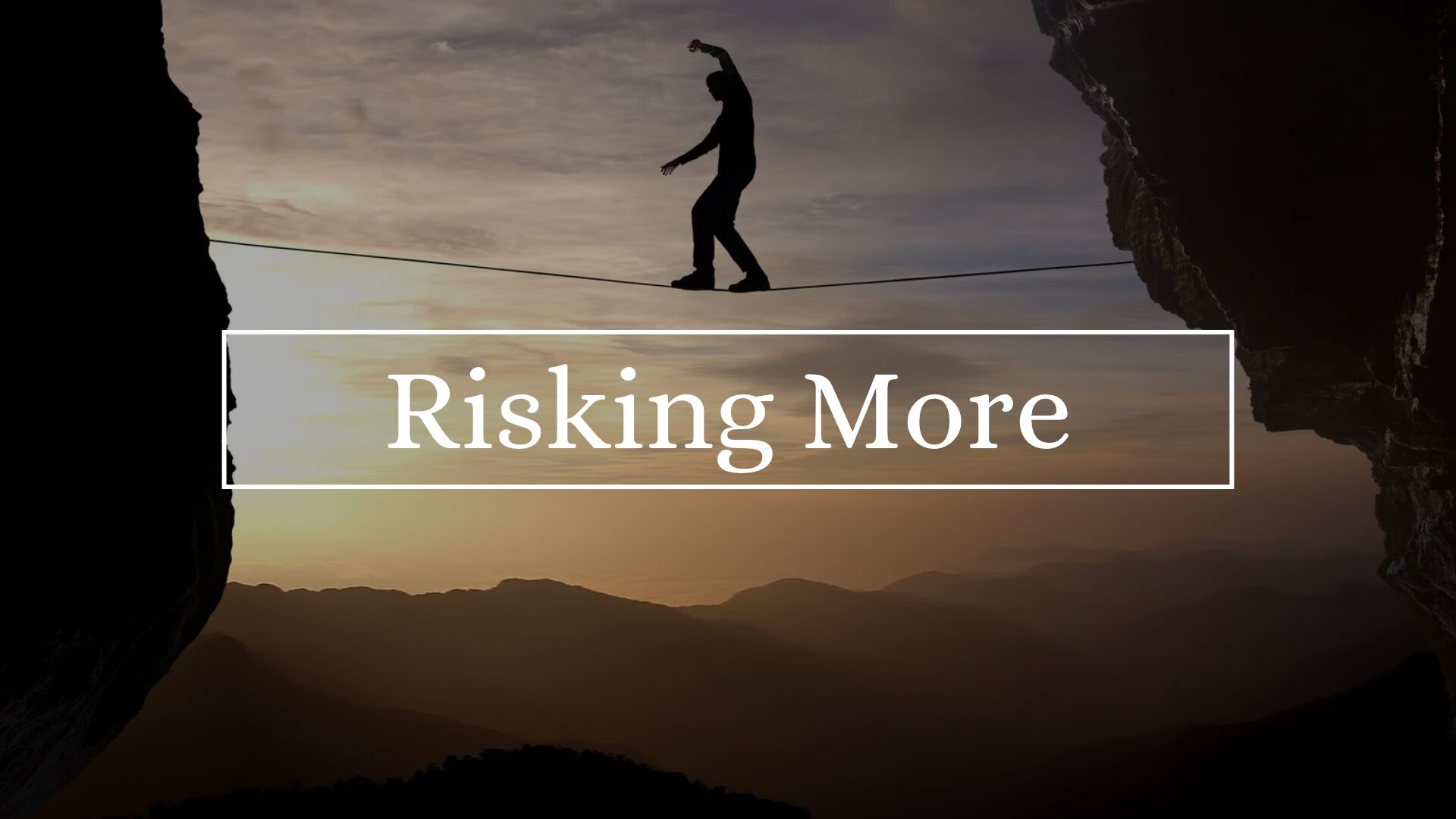
With all of this said, the issue boils down to whether or not we are willing to take a risk for the sake of the gospel – to follow Christ’s lead – to stop injustice.
And this includes everything from whether we are willing to sing songs we don’t know to whether we are willing to use some of our funds to make a greater impact in the community.
To go along with this, we are going to change the way we begin our services. Before asking about joys and concerns, we are going to ask what community needs or issues you learned about this week. And then we will take a week to pray about them, and follow up the next week with thoughts of what we could do to help resolve the need or issue – how we can become involved – how we can use our resources to make a difference.
How can we become changemakers in our community?
May it be so. Amen.
Like this Sermon? Click Here to View More in this Series
Prefer to Listen to this Sermon? Click Here to Listen to the Being Apostles Podcast

